
Does Dental Filling Hurt? Detailed Dental Filling Procedure
Detailed answers about pain during dental fillings, safe step-by-step filling procedures, post-treatment care tips, and when to see a dentist in Hanoi.
Nha Khoa Mễ Trì
5 мин чтения
Обновлено Mar 13, 2026
68 просмотров
Содержание
Quick Summary: Does Dental Filling Hurt? How Does the Filling Procedure Work?
Dental filling (also known as tooth filling) usually does not cause pain thanks to local anesthesia and modern techniques. The procedure includes examination, cleaning, cavity preparation, placing the filling material, and bite adjustment. Patients may feel slight sensitivity after the anesthesia wears off, but this usually lasts only a few hours to 1-2 days.
What is Dental Filling?
Dental filling is a dental procedure to restore the shape, function, and aesthetics of teeth that are decayed, chipped, slightly fractured, or have enamel erosion. Common filling materials include composite (tooth-colored), amalgam (silver-colored), or glass ionomer.
When Do You Need a Dental Filling?
- Mild to moderate tooth decay
- Chipped or slightly fractured teeth due to trauma
- Tooth wear at the gum line
- After root canal treatment
Does Dental Filling Hurt?
Most patients do not feel pain during the filling process thanks to local anesthesia. Some may feel pressure, slight vibration, or brief sensitivity when cleaning decayed tissue. After the anesthesia wears off, mild sensitivity may occur, especially with deep cavities near the pulp, but this usually subsides within 24-48 hours.
Factors Affecting Pain Perception:
- Extent of tooth decay: The closer the decay is to the pulp, the higher the risk of pain.
- Pulp inflammation: If the pulp is inflamed, pain may be more intense.
- Individual pain threshold: Each person perceives pain differently.
- Dentist's technique and experience: Gentle, proper technique helps minimize discomfort.
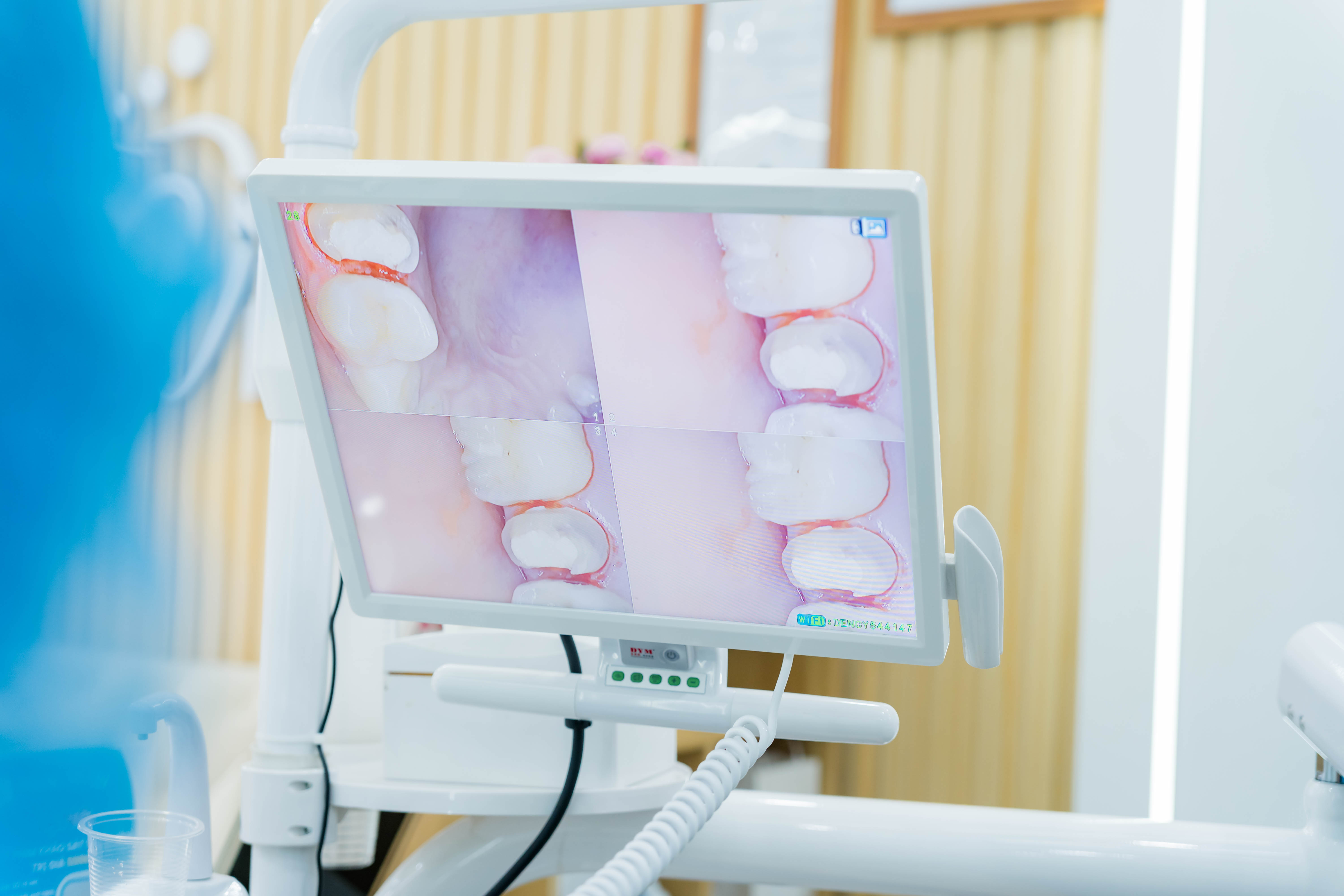
How Does the Dental Filling Procedure Work?
The standard dental filling procedure at modern clinics typically includes the following steps:
1. Examination and Consultation
The dentist examines your mouth, may take X-rays if needed, to assess the damage and recommend the appropriate method.
2. Local Anesthesia
Anesthetic is injected at the site of the tooth to be filled to ensure the patient feels no pain during the procedure.
3. Cleaning Decayed or Damaged Tissue
The dentist uses specialized tools to remove decayed tissue, plaque, or chipped tooth parts.
4. Cavity Preparation
A small cavity is shaped in the tooth to help the filling material adhere securely and ensure aesthetics.
5. Placing the Filling Material
The material (usually composite) is placed into the cavity and shaped to match the natural tooth.
6. Curing with Light (if using composite)
A curing light is used to harden the material quickly.
7. Bite Adjustment and Polishing
The dentist checks your bite, makes adjustments if needed, and polishes the filling surface to match your natural teeth.
Procedure Duration
- Typically: 20-40 minutes per tooth
- May take longer if the damage is extensive or multiple teeth need filling
Comparison: Painless vs. Painful Dental Filling
Causes of Pain During Dental Filling
- Deep decay near the pulp or untreated pulpitis
- Allergy to filling material (rare)
- Large fractures, weak tooth structure
- Incorrect technique, poorly sealed filling
Symptoms After Dental Filling
- Mild sensitivity to hot/cold foods and drinks (usually resolves after 1-2 days)
- Feeling of bulkiness or strangeness at the filling site (you will get used to it)
- Prolonged pain, swelling (should see your dentist)
At-Home Care After Dental Filling
- Avoid chewing on the newly filled tooth for the first 2-3 hours
- Do not eat very hard, hot, or cold foods within the first 24 hours
- Brush gently and use dental floss to clean between teeth
- Attend follow-up appointments as scheduled by your dentist
Checklist: What to Do After Dental Filling
- Do not chew hard or sticky foods on the filled tooth for 24 hours
- Rinse with saline solution after meals
- Brush with a soft-bristled toothbrush
- Watch for prolonged pain, swelling, or fever and see your dentist if needed
- Have regular dental check-ups every 6 months
Preventing Pain and Complications After Dental Filling
- Seek early treatment for tooth decay or chips
- Choose reputable clinics and experienced dentists
- Follow post-treatment care instructions
- Do not self-medicate with painkillers without your dentist's advice
When Should You See a Dentist Urgently?
- Severe, persistent pain lasting more than 2 days after filling
- Swollen gums, pus around the filled tooth
- Fever, difficulty opening mouth, or spreading pain
- Filling material falls out or large fracture
Frequently Asked Questions About Dental Filling and Pain
1. Will dental filling hurt if I am afraid of pain?
Most patients do not feel pain thanks to anesthesia. If you are anxious, share your concerns with your dentist for the best support.
2. Is it normal to feel sensitivity after a filling?
Mild sensitivity is normal and will subside within 1-2 days. If pain persists, you should have it checked.
3. Will dental filling affect chewing?
If done properly, chewing function is fully restored. Avoid hard foods on the filled tooth for the first 24 hours.
4. Are there any dietary restrictions after a filling?
Avoid very hard, hot/cold foods and maintain good oral hygiene.
Advice for Patients in Hanoi
If you live in Hanoi, choose reputable dental clinics with experienced dentists to ensure safety and effectiveness when getting a filling. Do not delay treatment if you notice signs of tooth decay or persistent pain.
For more information about tooth restoration methods, you can refer to the article on Dental Crowns or learn more about Dental Filling services.
Похожие услуги
- Пломбирование зубов
Лечение кариеса или небольших сколов зубов для восстановления функции жевания.
- Эстетическая пломба
Восстановление кариозных или сколотых зубов композитным материалом, цвет которого близок к натуральному зубу.
Похожие темы
Доступные языки
Прочитайте эту статью на другом языке: