
Does Getting Porcelain Veneers Hurt? What You Need to Know Before the Procedure
Do porcelain veneers cause pain? This article provides detailed answers about the sensations during the procedure, influencing factors, ways to minimize discomfort, and safety notes for patients in Vietnam.
Nha Khoa Mễ Trì
5 min de lecture
Mis à jour le Mar 10, 2026
94 vues
Table des matières
Quick Summary: Does Getting Porcelain Veneers Hurt?
Porcelain veneers typically do not cause significant pain thanks to tooth-conserving techniques and local anesthesia. Some patients may experience mild sensitivity or temporary discomfort after the procedure, but these sensations usually subside within a few days. Choosing a reputable dental clinic and following aftercare instructions help minimize the risk of pain or complications.
What Are Porcelain Veneers? Why Are They Popular?
Porcelain veneers are a cosmetic dental solution using ultra-thin porcelain shells (about 0.3-0.5 mm) bonded to the front surface of teeth. They improve color, shape, and cover minor imperfections such as gaps, discoloration, or minor chips. Veneers are a top choice for those seeking a natural-looking smile while preserving as much natural tooth structure as possible.
Does Getting Veneers Hurt? Detailed Analysis
1. During the Procedure
- Local Anesthesia: Before any tooth preparation or surface treatment, your dentist will numb the area, so you should feel little to no pain.
- Conservative Technique: Veneers require minimal or sometimes no tooth reduction, making them less invasive than other methods.
2. After Veneer Placement
- Mild Sensitivity: Some people may feel slight sensitivity or increased reaction to hot/cold foods for the first 1-3 days.
- Mild Discomfort: You may notice a slight feeling of bulkiness due to the new veneers, but you will gradually adapt.
3. Factors Affecting Pain or Discomfort
- Individual sensitivity
- Pre-existing dental conditions (weak teeth, pulpitis, etc.)
- Dentist’s technique and material quality
- Compliance with aftercare instructions
Causes and Risk Factors for Pain with Veneers
- Excessive Tooth Reduction: If the dentist removes too much tooth structure, the risk of pain or sensitivity increases.
- Weak, Decayed, or Inflamed Teeth: These teeth are more prone to pain when manipulated.
- Poor Fit: Ill-fitting veneers can cause bulkiness, gum inflammation, or prolonged pain.
- Improper Aftercare: Eating hard foods or poor oral hygiene can lead to sensitivity or gum inflammation.
Common Symptoms After Getting Veneers
- Mild sensitivity to hot/cold foods
- Temporary feeling of bulkiness or strangeness in the mouth
- Mild gum discomfort (if the gums were affected)
- Rare: Prolonged pain, gum inflammation, gum recession, or veneer fracture
How Do Dentists Diagnose and Manage Pain After Veneers?
- Clinical Examination: Assessing the pain location, checking the veneer fit, gums, and bite alignment.
- Bite Adjustment: Making corrections if the veneer causes bite issues or feels bulky.
- X-rays: If pulpitis or deeper damage is suspected.
- Treatment: May include prescribing pain relievers, giving aftercare instructions, or removing the veneer if necessary.
Pain Relief and Aftercare Options Following Veneer Placement
At the Clinic
- Local anesthesia during the procedure
- Use of biocompatible, safe bonding materials
- Detailed aftercare instructions
At Home
- Rinse with saline solution
- Eat soft foods, avoid very hot/cold foods for the first 2-3 days
- Brush gently with a soft-bristled toothbrush
- Avoid using veneered teeth to bite hard objects
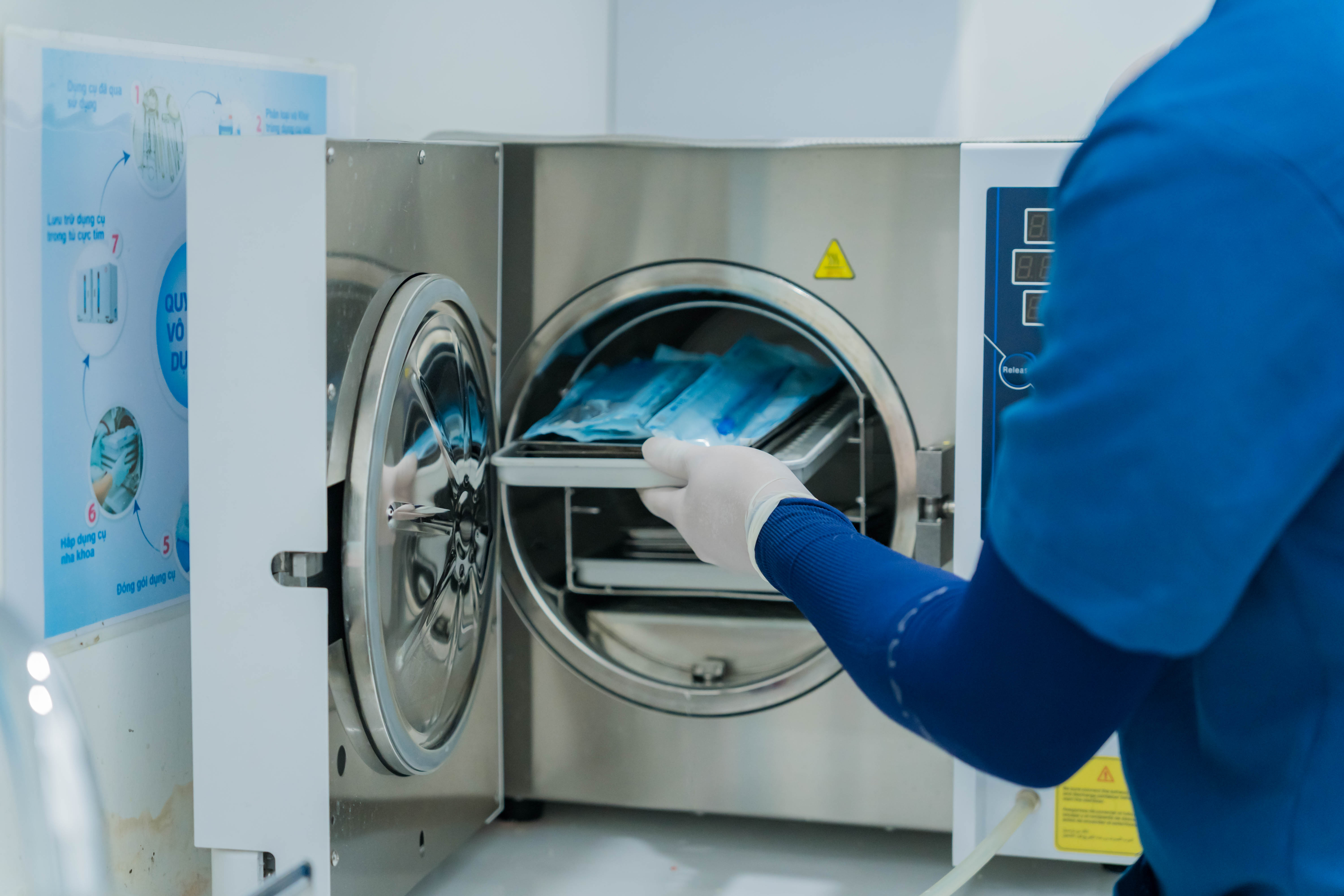
Illustrative image of consultation and examination before veneer placement at the clinic, helping to reduce anxiety and ensure patient safety.
Comparison Table: Dos and Don'ts After Getting Veneers
When Should You See Your Dentist Immediately?
- Severe pain lasting more than 3 days
- Swelling, bleeding, or pus around veneered teeth
- Increasing sensitivity, unable to eat or drink comfortably
- Veneer is cracked, broken, or detached
How to Prevent Pain and Complications with Veneers
- Choose a reputable clinic and experienced dentist
- Treat all dental diseases thoroughly before veneer placement
- Follow aftercare instructions and attend regular check-ups
- Inform your dentist immediately if you notice any unusual symptoms
Checklist: Preparation and Aftercare for Veneers
- Comprehensive dental examination before the procedure
- Inform your dentist of any allergies or medical conditions
- Follow dietary and hygiene instructions after the procedure
- Schedule follow-up appointments as advised
- Monitor for pain and report any abnormalities promptly
Frequently Asked Questions About Pain with Veneers
1. Is getting veneers more painful than tooth extraction or root canal?
No. Veneer placement is minimally invasive and usually only causes mild sensitivity, not severe pain like tooth extraction or root canal treatment.
2. If I’m afraid of pain, can I request deeper anesthesia?
Yes. Your dentist can adjust the level of anesthesia to ensure your comfort.
3. How long does pain after veneers last?
Usually only 1-3 days. If pain persists, you should return for a check-up to identify the cause.
4. Are there cases where veneers need to be removed due to pain?
Rarely, but if pain is caused by pulpitis, poor fit, or material allergy, your dentist may consider removing the veneer for definitive treatment.
Note: Everyone has a different pain threshold and response. For your safety, always discuss thoroughly with your dentist before deciding on porcelain veneers.
Services liés
- Facettes en céramique Veneer
Facettes en céramique fines améliorant la couleur et la forme des dents de manière conservatrice.
Sujets connexes
Lectures complémentaires
Langues disponibles
Lire cet article dans une autre langue :