
How to Choose a Dental Implant Clinic in Hanoi: 9 Questions to Ask Before Booking
Compare implant clinics in Hanoi using nine practical questions about planning, CBCT, costs, materials, warranties, travel timing, English support and follow-up.
Me Tri Dental Clinic
July 22, 2026
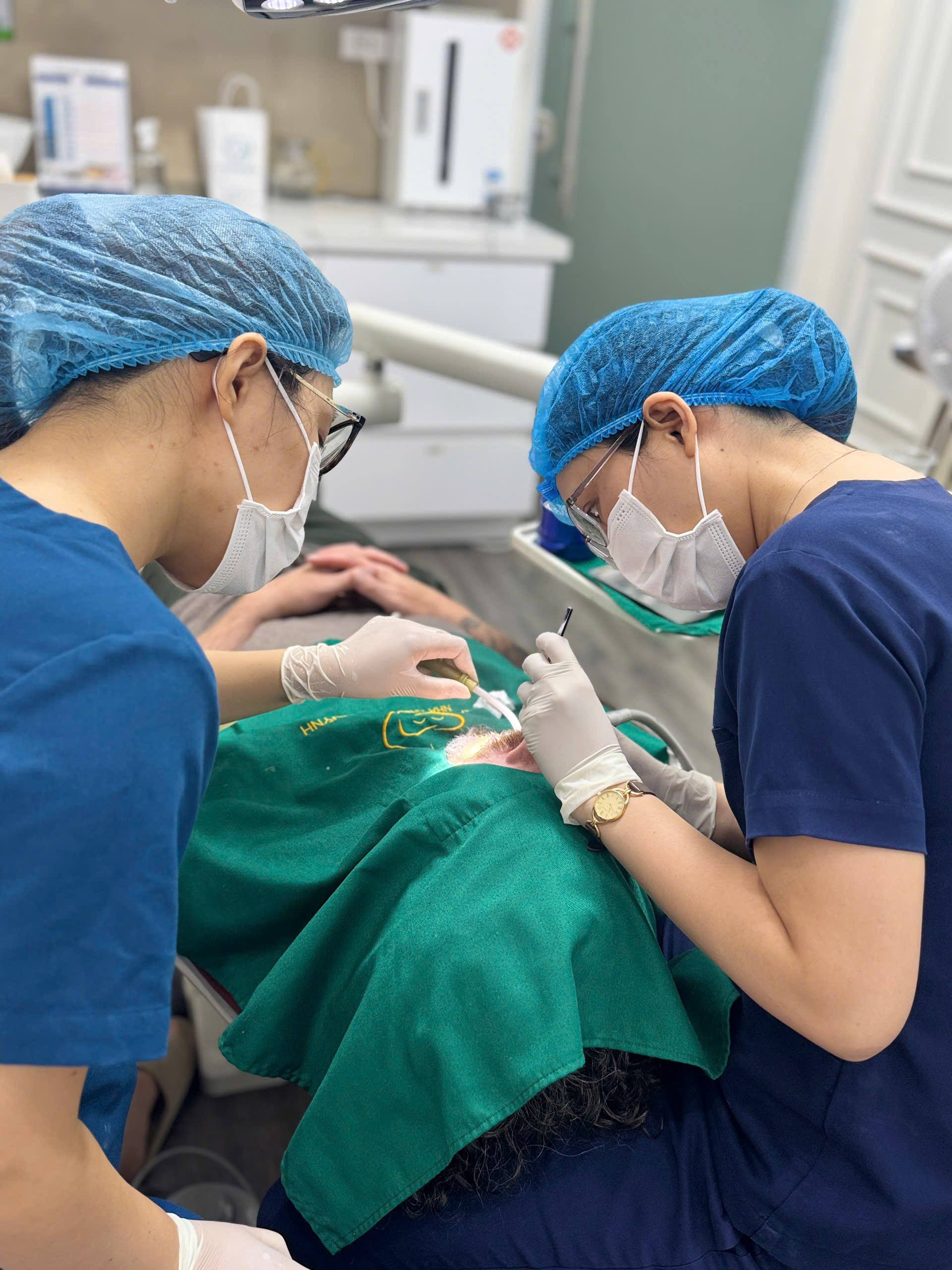
Expats living in Hanoi and international patients travelling to Vietnam often compare dental implant clinics before they are ready to book. At this stage, the most useful information is not a slogan or a single advertised price. It is a clear explanation of who will plan the treatment, which records are needed, what the quotation includes, how many visits may be required, and what happens after the patient leaves Hanoi.
Dental implant treatment may involve an examination, imaging, preliminary care, implant placement, healing, a temporary restoration, a final restoration, bite adjustment, and follow-up. Not every patient needs every stage, and the order can change according to bone condition, gum health, infection, medical history, and the type of restoration being planned.
For that reason, clinic selection should not depend only on the lowest advertised price, the shortest promised timeline, a long warranty claim, or the implant brand alone. The nine questions below offer a practical way to compare a dental implant clinic in Hanoi before paying a deposit or arranging travel.
Already have X-rays, a CBCT scan, or clear photos? You can send available records for a preliminary review, but any estimate should remain provisional until a direct examination and appropriate imaging are completed.
Why choosing an implant clinic requires more than comparing prices
An advertised implant price may refer only to the implant fixture, while the complete treatment can also involve an abutment, crown, extraction, periodontal care, bone grafting, sinus lift, temporary restoration, or additional laboratory work. Two quotations can therefore look similar while covering very different items.
Treatment time also varies. Bone quality, gum condition, infection, healing, and the complexity of the final restoration can affect the sequence of care. A clinic should explain which parts of the plan are predictable and which can only be confirmed after examination.
International patients have another layer to consider: travel dates, length of stay, the number of appointments, the possibility of a second trip, and access to follow-up after returning home. Expats may have easier access to the clinic, but they still need to know who will manage reviews and how future maintenance will be handled.
9 questions to ask before choosing a dental implant clinic in Hanoi
1. Who will plan and perform the implant treatment?
Ask who is responsible for each stage rather than assuming one person manages the entire case. You should know:
- Who performs the initial examination
- Who reviews the imaging and creates the treatment plan
- Who places the implant
- Who manages the crown or full-arch restoration
- Who provides follow-up and bite adjustments
- How complex cases are reviewed
- Whether alternatives to an implant are discussed
The answers should make the clinical responsibilities clear. It is reasonable to ask about training, qualifications, and relevant experience, but any published claim should be verifiable. Be cautious with unsupported numbers of implants placed, success rates, or broad statements about expertise.
A useful consultation should also explain why an implant is being recommended and whether another option, such as a bridge, removable prosthesis, or preservation of the natural tooth, may be appropriate. The goal is not simply to confirm that the clinic offers implants. It is to understand how decisions are made for your particular case.
2. Will you receive an examination and appropriate imaging?
Online information can support a preliminary assessment, especially for an overseas patient deciding whether a trip is worth considering. Photos, previous X-rays, and existing treatment records may help the clinic identify obvious questions and provide a provisional range. They do not replace a direct clinical examination.
A final plan should be based on an in-person evaluation and the imaging the dentist considers appropriate. CBCT is commonly used in implant planning because it can help assess bone and nearby anatomical structures in three dimensions. However, imaging should be selected according to the case rather than treated as an identical requirement for every patient.
The assessment may include:
- Which teeth are missing and how long they have been absent
- Available bone volume and the shape of the site
- Gum health and oral hygiene
- Infection or inflammation
- The condition of nearby teeth
- Bite and available space
- Existing crowns, bridges, dentures, or implants
- Relevant medical conditions
- Current medication use
- Smoking habits
A preliminary price range based on photos or old records is not the same as a final quotation. Ask the clinic to state that distinction in writing.
3. Is the treatment plan divided into clear stages?
A treatment plan should show what happens first, what may happen later, and which stages depend on healing. A possible sequence includes:
- Examination and imaging
- Treatment of active infection or gum disease
- Extraction, when necessary
- Bone grafting or sinus lift, when indicated
- Implant placement
- Healing and bone integration
- Temporary restoration, when appropriate
- Final crown or prosthesis
- Bite adjustment
- Follow-up
Not every patient follows this exact sequence. For example, an extraction and implant placement may sometimes occur during the same appointment, while other cases require healing first. A temporary tooth may be possible in selected situations, but it should not be promised before the site and bite are evaluated.
Ask for a stage-by-stage plan that identifies which appointments must happen in Hanoi, how much flexibility to allow around travel dates, and whether the final restoration will require another visit. For a broader overview, see how long dental implant treatment takes.
4. Can the clinic identify the implant system and restoration materials?
"Implant" is not a complete product description. Ask the clinic to identify:
- Implant brand
- Product line
- Country of origin
- Implant identification or reference information
- Type of abutment
- Crown or prosthesis material
- Warranty terms
- Recommended maintenance
This information matters because future dentists may need to know which components were used. It is especially important for patients who expect to live in another country after treatment.
The restoration above the implant also deserves attention. A higher fixture price does not automatically mean a better overall result. The final crown, bridge, or full-arch prosthesis must be planned for function, hygiene, appearance, and repairability. A single front tooth, a back tooth, and a full-arch restoration have different restorative considerations.
Ask the clinic to explain why a particular system and restoration are being proposed for your case. Clinical suitability and restorative planning matter more than choosing a brand by price alone.
5. Does the quotation clearly show what is included?
A written quotation is one of the most useful tools for comparing clinics. It should identify the treatment items rather than presenting one unexplained total.
A base treatment price may include the implant fixture, placement, abutment, final crown, and standard follow-up. It may also include only some of those items. Never assume that two clinics define a package in the same way.
Possible additional costs can include:
- Tooth extraction
- Periodontal treatment
- Bone grafting
- Sinus lift
- Temporary restoration
- Additional imaging
- Additional laboratory work
- Sedation, when applicable
- Complex restorative materials
Ask when additional costs can be confirmed and what happens if the clinical findings differ from the preliminary assessment. For overseas patients, the quotation should also state whether later review appointments or adjustments are included.
A transparent quotation does not guarantee that the plan will never change. It should explain what is confirmed, what remains conditional, and how any change will be discussed before treatment continues.
6. Are infection-control procedures explained clearly?
Patients do not need to inspect every technical process, but the clinic should be willing to explain how it manages:
- Instrument sterilisation
- Treatment-room preparation
- Single-use materials
- Clinical record management
- Post-operative instructions
- Emergency contact procedures
The aim is transparency, not fear. No clinic should promise zero infection risk or complication-free surgery. Instead, ask what measures are used, what aftercare instructions you will receive, and whom to contact if swelling, bleeding, pain, or another concern develops after the appointment.
Clear post-operative guidance is especially important for travellers who may change hotels, leave Hanoi, or fly soon after treatment.
7. Is the warranty written and specific?
A long warranty period can sound reassuring, but the conditions matter as much as the number of years. Ask for written details covering:
- What is included
- Implant fixture warranty
- Crown warranty
- Prosthesis warranty
- Warranty duration
- Maintenance requirements
- Exclusions
- Required follow-up
- Required documentation
- What happens when the patient lives overseas
The fixture, abutment, crown, and full-arch prosthesis may have different coverage. A problem caused by trauma, untreated gum disease, missed maintenance, smoking, or another factor may be handled differently from a component defect.
Avoid relying on a verbal "lifetime warranty" unless the clinic provides complete written terms that explain coverage, exclusions, and the process for making a claim. Overseas patients should also ask whether an in-person return to Hanoi would be required.
8. How will follow-up work if you live abroad?
This is a central question for dental implant treatment abroad. Before booking, ask about:
- Expected number of appointments
- Recommended length of stay for each stage
- Flexibility if healing or laboratory work takes longer
- Whether a review is recommended before flying
- Remote follow-up after departure
- Records provided before leaving Vietnam
- What to do if an adjustment is needed at home
A clinic may be able to review photos or discuss symptoms remotely, but remote follow-up has limits. Some concerns require an examination, new imaging, or a physical adjustment. Ask the clinic to explain what it can handle remotely and what would require an in-person visit.
Do not assume that the implant and final tooth can always be completed in one trip. Selected cases may allow a shorter pathway or a temporary restoration, while others need healing before the final crown or prosthesis. Travel timing should remain provisional until the examination and imaging are complete.
Before departure, request a treatment summary, implant identification, relevant radiographs, restoration information, warranty terms, medication instructions, and the follow-up schedule. These records can be useful if another dentist needs to understand what treatment was performed.
9. Can the clinic communicate clearly in English?
English communication is not limited to reception or appointment scheduling. You should be able to understand:
- Diagnosis
- Treatment options
- Risks and limitations
- Expected stages
- Possible additional procedures
- Costs
- Timeline
- Warranty
- Aftercare
Look for an English-speaking consultation, a written treatment summary, an itemised quotation, written aftercare instructions, and treatment documentation. Translation tools can help with minor communication, but important clinical information should be explained clearly enough for you to make an informed decision.
Ask questions in your own words and check whether the answers are specific to your case. A clinic that communicates well should be able to explain uncertainty rather than presenting every detail as guaranteed.
Information available at Nha Khoa Me Tri
The following information is provided so readers can compare Nha Khoa Mễ Trì with the same criteria used above. It is not a claim that the clinic is the best, cheapest, or most suitable choice for every patient.
Examination and planning
Nha Khoa Mễ Trì provides:
- Free consultation and examination
- CBCT included for implant assessment
- A final plan confirmed after examination and CBCT
- English-speaking consultation
- Preliminary remote assessment
- Post-treatment follow-up
Remote assessment can help identify likely treatment questions and provide a preliminary estimate. It does not replace the final direct examination or the imaging selected for the case.
The general treatment information supplied for the clinic lists a typical implant duration of 3 to 6 months, but the required time and number of visits depend on the treatment plan, healing, and restoration.
Implant systems and base prices
These prices and warranty periods should be reconfirmed before publication and again before treatment. The final cost depends on the examination and CBCT findings.
The supplied information does not confirm whether each base price includes the abutment and final crown. Patients should request a written itemised quotation. Extraction, periodontal treatment, bone grafting, sinus lift, temporary restorations, and other case-specific work may cost extra. Warranty conditions should also be reviewed in writing.
For the broader service overview, see dental implants in Hanoi.
Clinic details
Nha Khoa Mễ Trì 123, Alley 32 Do Duc Duc Street, Me Tri, Tu Liem, Hanoi
Opening hours: 8:00 to 19:30 daily Phone: +84 373 110 328 WhatsApp: +84 373 110 328 Email: [email protected] Website: https://nhakhoametri.vn
To request a preliminary review, send available dental records, describe the missing teeth and current symptoms, and include your intended travel dates. Ask for a provisional treatment outline and itemised estimate before booking flights.
What international patients should prepare before contacting a clinic
Providing organised information can make a remote discussion more useful. Before contacting a clinic, prepare the following:
- Identify which teeth are missing.
- Note how long they have been missing.
- Describe pain, swelling, infection, or loose teeth.
- List previous implants, crowns, bridges, or dentures.
- Prepare medical history and current medication information.
- Mention smoking habits.
- Send available X-rays or CBCT scans.
- Send clear photographs when requested.
- Share intended travel dates.
- Explain whether temporary teeth are required.
- Provide a realistic budget range.
- Confirm your preferred communication method.
Existing records may help with a preliminary assessment, but updated imaging may still be required. Avoid booking a non-refundable itinerary based only on a provisional estimate or a promised completion date.
It is also useful to explain your travel constraints honestly. A clinic cannot plan around a deadline it does not know about. Mention fixed departure dates, business commitments, connecting travel, and whether you could return to Hanoi for the restorative stage.
Red flags to notice before booking
One warning sign does not automatically prove poor treatment, but it may justify more questions or another opinion. Be cautious when:
- A final price is guaranteed before examination.
- The same completion time is promised to every patient.
- The implant system cannot be clearly identified.
- The quotation does not show what is included.
- Additional procedures are suggested without explanation.
- Risks and alternatives are not discussed.
- Warranty conditions are only verbal.
- You are pressured to pay immediately.
- There is no clear follow-up process.
- Treatment documentation is not provided.
- Travel timing is guaranteed before examination.
You may want to request more information or seek another opinion. A careful clinic should be able to explain uncertainty, document the plan, and give you time to understand the proposed treatment.
Frequently asked questions
Should I choose a clinic close to my hotel or home?
Convenience matters because implant treatment may involve reviews, adjustments, or more than one stage. However, location should not outweigh treatment planning, communication, quotation transparency, and follow-up arrangements. A slightly longer journey may be reasonable when the clinic can explain the case more clearly.
Can I receive an exact implant price by WhatsApp or email?
You may receive a preliminary range based on photos, symptoms, and existing records. A final quotation should normally follow a direct examination and appropriate imaging. Ask the clinic to identify which parts of the estimate are confirmed and which may change.
Is CBCT always needed?
CBCT is commonly used for implant planning because it can provide three-dimensional information about bone and nearby structures. The dentist should determine which imaging is appropriate for the individual case. Existing scans may help with preliminary review, but updated imaging may still be needed.
How long should I stay in Hanoi?
The required stay depends on the treatment stage, whether extraction or grafting is needed, whether a temporary restoration is planned, and how the site heals. The clinic should not guarantee a fixed stay before examination. Ask for a provisional schedule with additional time for review or adjustment.
Can the implant and final tooth be completed in one trip?
This may be possible in selected cases, but it should not be assumed. Some patients can receive an implant and temporary restoration during one trip, while the final crown or prosthesis is completed after healing. Others may need preliminary treatment or more than one visit to Hanoi.
What records should I keep after treatment?
Keep the implant identification, treatment plan, relevant radiographs, restoration information, written warranty, medication instructions, and follow-up schedule. Store digital copies so they are accessible if you move or need care from another dentist.
Is the most expensive implant always better?
No. Price may reflect the implant system, product line, restoration materials, laboratory work, and warranty, but suitability depends on the clinical situation. The treatment plan, implant positioning, gum health, restoration design, maintenance, and follow-up are also important.
Before you book
A suitable dental implant clinic should be able to explain your diagnosis, treatment stages, estimated costs, travel timing, warranty, and follow-up without relying on unsupported promises. Compare written information, ask the same questions at each clinic, and separate provisional estimates from the final plan.
To discuss treatment at Nha Khoa Mễ Trì, use the clinic's booking page, call +84 373 110 328, contact WhatsApp at +84 373 110 328, or email [email protected] with your available records. Include your intended travel dates and ask for an itemised estimate. The final plan and cost should be confirmed after an examination and appropriate imaging.
Related services
Related topics
Dental Implant vs Dental Bridge for One Missing Tooth
September 13, 2026

Single-Tooth Dental Implants in Hanoi: Procedure, Cost and Recovery
September 6, 2026

What Dental Records Should You Send Before Implant Treatment Abroad?
September 1, 2026
Need a treatment plan that fits your case?
Book a consultation with our team in Me Tri, Hanoi, or review services before your visit.