
Dental Implants in Hanoi
Complete single-tooth Implant packages from VND 12,000,000 (~USD 455) include CBCT planning, the Implant fixture, standard Abutment and final crown. Free initial Implant examination. Biotem, Dentium, Hiossen and Straumann options, a typical overall treatment period of about 3-6 months, All-on-4®, six-Implant full-arch rehabilitation, and immediate placement for suitable cases. Consultation and treatment explanations are available in English.
Last updated: August 11, 2026
Book a Dental Implant Consultation in Hanoi
The initial consultation is free, with booking, phone, Zalo and WhatsApp contact options available before the dentist confirms the Implant plan, treatment stages and cost.
Dental Implant Treatment in Hanoi
Dental Implant treatment at Nha Khoa Me Tri starts with a free initial Implant examination and a clear treatment plan. Complete single-tooth packages include CBCT planning when proceeding with the package, the Implant fixture, placement procedure, standard Abutment and final crown. Immediate Implant placement and temporary teeth are available for suitable cases, while bone grafting or sinus lifting is added only when required. Consultation, treatment planning, cost explanation and follow-up communication are available in English for Hanoi residents, expats and international patients.
Dental Implant Prices, Treatment Options and Planning
How Much Does One Dental Implant Cost in Hanoi?
A complete single-tooth Dental Implant package at Nha Khoa Me Tri costs from VND 12,000,000 to VND 43,000,000, depending on the Implant option.
USD amounts are approximate references based on the exchange rate used on August 11, 2026: 1 USD = 26,330 VND. Treatment prices are confirmed and paid in VND.
For broader clinic fees, see the dental treatment price list.
What Is Included in the Complete Dental Implant Package?
A standard single-tooth Implant package includes:
- Initial Implant consultation and examination
- CBCT used for Implant planning
- Treatment planning
- Implant fixture
- Implant placement procedure
- Local anesthesia
- Healing component
- Standard Abutment
- Final crown
- 3D digital impression or scan when required
- Standard medication when prescribed
- Standard follow-up appointments required by the confirmed plan
- Implant identification information
- Implant fixture warranty information
- Temporary tooth when it is part of the confirmed treatment plan
Bone grafting, sinus lifting and associated biomaterials are not automatically included in the standard single-tooth Implant package.
What Makes Up a Complete Dental Implant?
Implant fixture
The Implant fixture is placed in the jawbone to replace the missing tooth root.
Abutment
The Abutment connects the Implant fixture to the visible restoration.
Final crown
The final crown is the visible replacement tooth restored on the Implant. The specific crown material or commercial name is confirmed in the restorative plan rather than predefined by the package table.
Is CBCT Included in the Dental Implant Package?
Yes. CBCT used for Implant planning is included when the patient proceeds with a Dental Implant package at Nha Khoa Me Tri.
A standalone CBCT scan outside the Implant package costs VND 400,000, approximately USD 15.
CBCT provides three-dimensional information about available bone, Implant-site anatomy and nearby anatomical structures for treatment planning. It does not guarantee treatment success.
Is a 3D digital scan included?
A 3D digital impression or scan is included when required as part of the confirmed Implant restorative plan.
Not every patient requires the same digital workflow, so the scan is used according to the restorative plan rather than treated as a routine paid add-on.
What Additional Costs May Be Required?
Additional procedures are charged only when they are required by the treatment plan.
Bone graft material, membranes or other biomaterials may be charged separately depending on the material and quantity required. The dentist will confirm the need and cost before treatment.
The healing component, standard Abutment, final crown, CBCT used for the Implant package, and a digital scan required by the confirmed restorative plan are already included in the standard package and are not listed again as routine add-on fees.
Who Can Consider Dental Implants?
Dental Implants can be considered for:
- One missing tooth
- Several missing teeth
- Long-standing tooth loss
- Complete tooth loss in one arch
- A tooth that cannot be preserved and is planned for extraction
- Denture wearers considering fixed Implant-supported treatment
- Patients who want to replace a missing tooth without preparing healthy adjacent teeth for a conventional bridge
Dental Implants are not suitable for everyone. Suitability also depends on bone volume and anatomy, periodontal health, active infection, medical history, medication, smoking, bite and occlusal loading, bruxism or other parafunction, oral hygiene, and the ability to maintain the restoration.
Health Factors to Assess Before Dental Implant Treatment
Periodontal disease
Active periodontal disease should be controlled before Implant treatment.
A history of periodontitis also matters for long-term Implant maintenance. Patients who need gum treatment can review periodontal treatment as part of their pre-Implant care.
Diabetes
Diabetes does not automatically exclude a patient from Dental Implant treatment. Glycemic control and overall medical condition need to be assessed before surgery.
Poorly controlled diabetes can increase concerns about healing and complications.
Smoking
Smoking increases the risk of problems around Dental Implants and can negatively affect long-term outcomes. Smoking cessation before and after treatment is strongly encouraged.
Medication and systemic health
Before treatment, patients should disclose current medication, chronic diseases, previous major medical treatment, medication affecting bone metabolism or healing, and other relevant systemic conditions. This allows the dentist to assess the Implant plan in the context of the patient's health rather than relying on a universal contraindication list.
Which Dental Implant Option Should You Choose?
The most expensive Implant is not automatically the best option for every patient.
Selection should consider bone condition, Implant site, restorative plan, loading requirements, treatment timing and budget.
No brand is presented as universally superior, and Implant choice does not replace complete clinical and restorative planning.
Straumann SLA vs SLActive: What Is the Difference?
SLA® and SLActive® are Straumann Implant surface technologies, not two standalone Implant body models.
SLA® uses a sand-blasted and acid-etched surface. SLActive® is a hydrophilic surface technology. The appropriate option still depends on the complete clinical and restorative plan, so the surface name alone should not be used to promise a fixed healing time or outcome.
Dental Implant Treatment Process
- Examine the missing tooth or teeth.
- Review medical history and medication.
- Take or review CBCT imaging.
- Assess the jawbone, gums and relevant anatomy.
- Select the Implant and restorative plan.
- Confirm package inclusions and treatment cost.
- Treat active infection or periodontal disease where required.
- Perform extraction, bone grafting or sinus lifting when indicated.
- Place the Implant under local anesthesia.
- Provide a temporary restoration when included in the plan and clinically appropriate.
- Allow healing and osseointegration.
- Take a digital impression when required.
- Fit the standard Abutment and final crown.
- Check the bite and restoration.
- Continue follow-up and maintenance.
How Long Does Dental Implant Treatment Take?
A typical Dental Implant treatment plan takes about 3-6 months from Implant placement to the final restoration.
Bone grafting, sinus lifting, periodontal treatment, infection, Implant stability, multiple Implants, full-arch rehabilitation and individual healing can extend the timeline. A fixed completion date should not be assumed before the treatment plan is confirmed.
For a deeper stage-by-stage explanation, see the complete Dental Implant treatment timeline.
Can Dental Implant Treatment Be Completed in One Trip to Hanoi?
A complete Dental Implant treatment should not normally be promised in one trip.
Standard treatment commonly includes Implant placement followed by a healing and osseointegration period before the final restoration. Some international patients complete Implant surgery during one visit to Hanoi, return home during healing, and come back for the final restorative stage.
Immediate Implant placement or an immediate temporary restoration can shorten selected stages, but these protocols do not make one-trip completion appropriate for every patient.
How Many Trips to Hanoi Might I Need?
Many conventional Implant cases can be organized around two main treatment periods when an international patient leaves Vietnam during healing: the Implant surgery stage followed later by the final restorative stage.
Additional treatment periods may be required when bone grafting, sinus lifting, periodontal treatment, multiple Implants or full-arch rehabilitation are involved. The exact schedule is confirmed after examination and treatment planning.
Can a Dental Implant Be Placed Immediately After Extraction?
Yes. An Implant can be placed on the same day as tooth extraction in selected cases.
The extraction site, available bone and ability to obtain appropriate primary Implant stability must support this treatment protocol.
Immediate Implant placement describes when the Implant fixture is placed. It does not mean the final crown is automatically fitted on the same day.
Can I Have a Temporary Tooth on the Same Day?
A temporary tooth can be provided early when it is part of the treatment plan and Implant stability allows the selected restorative protocol.
A temporary tooth is included when it is part of the confirmed Implant plan. Not every Implant case requires or qualifies for an immediate temporary tooth, and the temporary restoration should not be confused with the final crown.
All-on-4® Dental Implants in Hanoi
The All-on-4® treatment concept uses four Implants to support a fixed full-arch restoration.
The concept commonly uses two anterior Implants and two posterior Implants positioned according to the full-arch plan. A fixed temporary full-arch restoration can be used when immediate-loading criteria are met.
All-on-4® does not automatically eliminate the need for bone grafting, does not guarantee same-day teeth for every patient, and does not mean the final permanent prosthesis is fitted on the day of surgery.
All-on-4® treatment cost is confirmed after examination, CBCT assessment and full-arch restorative planning. There is no fixed public package price on this page.
Full-Arch Rehabilitation on Six Implants
This treatment uses six Implants to support a fixed full-arch restoration. Patients may also encounter the term All-on-6 when researching this approach.
Using six Implants does not automatically make a treatment plan better than All-on-4®.
The choice depends on available bone, arch anatomy, Implant distribution, restorative design, bite and loading, primary stability, and hygiene and maintenance considerations.
Six-Implant full-arch treatment cost is confirmed after examination, CBCT assessment and full-arch restorative planning.
Can I Have Fixed Temporary Full-Arch Teeth on the Same Day?
A fixed temporary full-arch restoration can be provided early, including on the day of Implant surgery, in selected cases with appropriate primary stability and a suitable restorative plan.
This protocol is not appropriate for every full-arch patient. It should not be described as permanent or final teeth in one day.
When Is Bone Grafting or a Sinus Lift Needed?
Bone grafting is considered when the available bone volume is insufficient for the planned Implant position.
A sinus lift may be required in the posterior upper jaw when the available bone height below the sinus is insufficient for the planned Implant treatment.
Long-standing tooth loss does not automatically mean grafting is required. The need is determined through examination and imaging.
Does Dental Implant Surgery Hurt?
Implant placement is performed under local anesthesia to control sensation during the procedure.
After the anesthesia wears off, temporary soreness, tightness or swelling can occur during the early healing period. Contact the clinic when symptoms are severe or worsening, associated with significant swelling or heavy bleeding, accompanied by fever, or associated with Implant or restoration mobility.
Recovery varies by procedure and patient, so a single universal recovery period is not promised.
How Do You Care for a Dental Implant Long Term?
Dental Implants require ongoing oral hygiene and professional follow-up.
Long-term care includes toothbrushing, interdental cleaning, professional cleaning, periodic examination, monitoring gum bleeding or swelling, smoking cessation, and checking the restoration and bite when necessary.
Implant treatment does not end permanently once the crown is fitted. Ongoing maintenance helps the dentist monitor both the Implant area and the restoration.
Dental Implant Warranty
These warranty periods apply to the Implant fixture under Nha Khoa Me Tri's warranty policy.
The final crown, Abutment and other prosthetic components do not automatically carry the same warranty period as the Implant fixture. The applicable policy is confirmed before treatment. Warranty duration should not be interpreted as the expected lifespan of an Implant.
Dental Implant, Bridge or Removable Denture?
Dental Implants are one treatment option rather than a universal best choice. The appropriate approach depends on the condition of the missing-tooth area, adjacent teeth, supporting tissues and restorative goals.
Can I Send My X-ray or CBCT Before Travelling to Hanoi?
Yes. International patients can send an existing dental X-ray or CBCT for preliminary review before travelling to Hanoi.
Remote review does not replace an in-person clinical examination. New imaging may be required when the existing scan does not contain sufficient information or no longer reflects the current clinical condition.
Dental Implant Care with English-Speaking Support
Consultation, treatment planning, cost explanation, aftercare instructions and follow-up communication are available in English.
Patients can receive explanations of CBCT findings, Implant options, complete package inclusions, additional procedures, treatment stages, temporary restorations, aftercare and follow-up planning.
What Happens After I Return Home?
Treatment explanations, aftercare instructions, relevant imaging records and treatment information can be provided in English before the patient leaves Hanoi.
Follow-up communication can continue remotely after the patient returns home.
Remote communication does not replace an in-person dental examination when a new or worsening clinical problem develops. Patients should seek appropriate local clinical care when direct assessment is needed.
Payment and VAT
Displayed prices exclude VAT. VAT is added only when the patient requests a VAT invoice.
Full payment applies according to the confirmed treatment plan. No installment arrangement is assumed or advertised on this page.
Dental Implants in Hanoi
Nha Khoa Me Tri provides Dental Implant assessment and treatment in Hanoi.
- Address: No. 123, Alley 32 Do Duc Duc Street, Tu Liem, Hanoi
- Opening hours: Daily, 08:00-19:30
- Initial Implant examination: Free
- CBCT: Available and included for Implant planning when proceeding with a Dental Implant package
- Complete single-tooth Implant packages: From VND 12,000,000, approximately USD 455
- Language support: Consultation and treatment explanations are available in English
Book an appointment before visiting when possible so the clinic can plan the Implant consultation and imaging review. International patients with an existing X-ray or CBCT can arrange preliminary review before travelling, while final diagnosis and treatment planning still require appropriate clinical assessment.
Use the map on this page for location guidance and choose the available booking or contact action that is most convenient for you.
Patient reviews
Patient Experiences with Dental Implant Treatment
Read real experiences about Implant consultation, treatment planning, Implant placement, restoration and follow-up care at Nha Khoa Me Tri.

Hải Hưng Hoàng
July 30, 2025
"I came here for wisdom tooth extraction, implant placement, and other services. After my experience here, I find the clinic clean, the equipment modern, the sterilization absolute, the staff here are gentle in their consultation, have good expertise, and work very smoothly, so I am very satisfied. I will continue to use the services at the dental clinic in the future."

thuphuong nguyen
July 18, 2025
"I came here for root canal treatment and implant placement because I had lost a tooth a long time ago. The staff were gentle and careful, and it didn't hurt at all, so I think it's great."

Hiển Bùi
October 23, 2024
"Got 2 dental implants at Me Tri dental clinic; it was quick and gentle. The doctor is highly professional and works fast."
Service FAQ
Dental Implant FAQs
How much does one Dental Implant cost in Hanoi?
A complete single-tooth Dental Implant package at Nha Khoa Me Tri costs VND 12,000,000 for Biotem (~USD 455), VND 14,000,000 for Dentium SuperLine (~USD 530), VND 18,000,000 for Hiossen ET SA (~USD 685), VND 38,000,000 for Straumann with SLA® surface (~USD 1,445), or VND 43,000,000 for Straumann with SLActive® surface (~USD 1,635). USD amounts are approximate references based on 1 USD = 26,330 VND on August 11, 2026. Treatment prices are confirmed and paid in VND.
What is included in the complete Dental Implant package?
The standard package includes the initial examination, CBCT for Implant planning, treatment planning, Implant fixture, Implant placement, local anesthesia, healing component, standard Abutment, final crown, digital scan when needed, standard medication when prescribed, standard follow-ups required by the plan, Implant identification information, fixture warranty information, and a temporary tooth when it is part of the confirmed plan. Bone grafting, sinus lifting and associated biomaterials are not automatically included.
What type of crown is included?
The Implant package includes a final crown. The specific crown material or commercial name is not predefined in this price table and is confirmed in the patient's restorative plan.
Is CBCT included?
Yes. CBCT used for Implant planning is included with the confirmed Implant package. A standalone CBCT outside the package costs VND 400,000, approximately USD 15.
How long does Dental Implant treatment take?
A typical treatment plan takes about 3-6 months from Implant placement to the final restoration. Bone grafting, sinus lifting, periodontal treatment, multiple Implants or full-arch rehabilitation can extend the timeline.
Can Dental Implant treatment be completed in one trip?
Complete treatment should not normally be promised in one trip. Some international patients complete Implant surgery during one visit, return home during healing, and return later for the final restoration.
How many trips to Hanoi might I need?
Many conventional Implant cases can be organized around two main treatment periods if the patient leaves Vietnam during healing, but the exact number of trips depends on the treatment plan. Additional stages can be needed for grafting, sinus lifting, periodontal treatment, multiple Implants or full-arch care.
Can an Implant be placed immediately after extraction?
Yes, in selected cases where the extraction site and available bone support appropriate primary Implant stability. Immediate Implant placement refers to placement of the Implant fixture, not automatic placement of the final crown.
Can I receive a temporary tooth on the same day?
Yes, when immediate temporary restoration is part of the confirmed plan and clinical stability allows it. It is not appropriate for every case, and the temporary tooth is not the final crown.
Can I send my X-ray before travelling?
Yes. Existing X-rays or CBCT scans can be sent for preliminary review before travelling to Hanoi. Remote review does not replace an in-person clinical examination, and new imaging may be required.
What happens if I return home during healing?
Follow-up communication can continue remotely, and relevant treatment information can be provided in English. A new or worsening problem may require an in-person examination by a local dentist.
Can I have Dental Implants if I have diabetes?
Diabetes does not automatically exclude Implant treatment. Glycemic control and overall medical condition should be assessed before treatment. Poorly controlled diabetes can increase concerns about healing and complications.
Can smokers have Dental Implants?
Smokers can be evaluated for Implant treatment, but smoking increases risks around Dental Implants and can negatively affect long-term outcomes. Smoking cessation before and after treatment is strongly encouraged.
Can Dental Implants be placed if I have periodontal disease?
Active periodontal disease should be controlled before Implant treatment. A history of periodontal disease is also relevant to long-term Implant maintenance.
When is bone grafting required?
Bone grafting is considered when the available bone volume is insufficient for the planned Implant position. The need is determined through examination and imaging.
Is bone grafting included?
No. When required, grafting is an additional procedure. Particulate bone grafting costs VND 2,000,000-5,000,000 per bone unit and block bone grafting costs VND 5,000,000. Graft material, membranes or other biomaterials may be charged separately.
What is All-on-4®?
All-on-4® is a full-arch treatment concept using four Implants to support a fixed restoration for a complete arch. Treatment planning determines whether the patient is suitable for this approach.
Can All-on-4® provide fixed temporary teeth on the same day?
Yes, in selected cases when appropriate primary Implant stability is achieved and the restorative plan supports immediate temporary loading. It is not guaranteed for every patient, and the final permanent prosthesis is not automatically fitted on the day of surgery.
What is the difference between All-on-4® and treatment on six Implants?
All-on-4® uses four Implants, while a six-Implant full-arch restoration uses six. Implant number alone does not determine which approach is better; bone, Implant distribution, restorative design, loading, stability and maintenance all need to be considered.
How much does All-on-4® cost?
There is no fixed public package price. All-on-4® cost is confirmed after examination, CBCT assessment and full-arch restorative planning.
How much does six-Implant full-arch treatment cost?
There is no fixed public package price. Six-Implant full-arch treatment cost is confirmed after examination, CBCT assessment and full-arch restorative planning.
Which is better: Biotem, Dentium, Hiossen or Straumann?
There is no single best Implant option for every patient. Bone condition, Implant site, restorative design, treatment timing, loading requirements, budget and the complete treatment plan should guide the choice.
What is the difference between Straumann SLA and SLActive?
SLA® and SLActive® are Straumann Implant surface technologies. SLA® uses a sand-blasted and acid-etched surface, while SLActive® has hydrophilic surface characteristics. The appropriate Implant option still depends on the complete treatment plan.
How long is the Implant warranty?
The Implant fixture warranty is 5 years for Biotem, 8 years for Dentium SuperLine, 10 years for Hiossen ET SA, 18 years for Straumann SLA, and 20 years for Straumann SLActive. These periods apply to the Implant fixture; the final crown, Abutment and other prosthetic components do not automatically carry the same warranty period.
Do Dental Implants last forever?
No lifetime result is promised. Long-term outcomes depend on biological health, oral hygiene, periodontal history, smoking, restoration condition, bite and loading, and ongoing maintenance.
Is treatment available in English?
Yes. Consultation, treatment planning, price explanation, aftercare instructions and follow-up communication are available in English.
Book a Dental Implant Consultation in Hanoi
The initial consultation is free. The dentist will assess the missing teeth and jawbone, discuss the Implant options, determine whether bone grafting or sinus lifting is required, and provide a clear treatment plan and quotation. You can book online, call, or contact the clinic through Zalo or WhatsApp.
Related blog posts
Learn more about Dental Implant and related concerns:
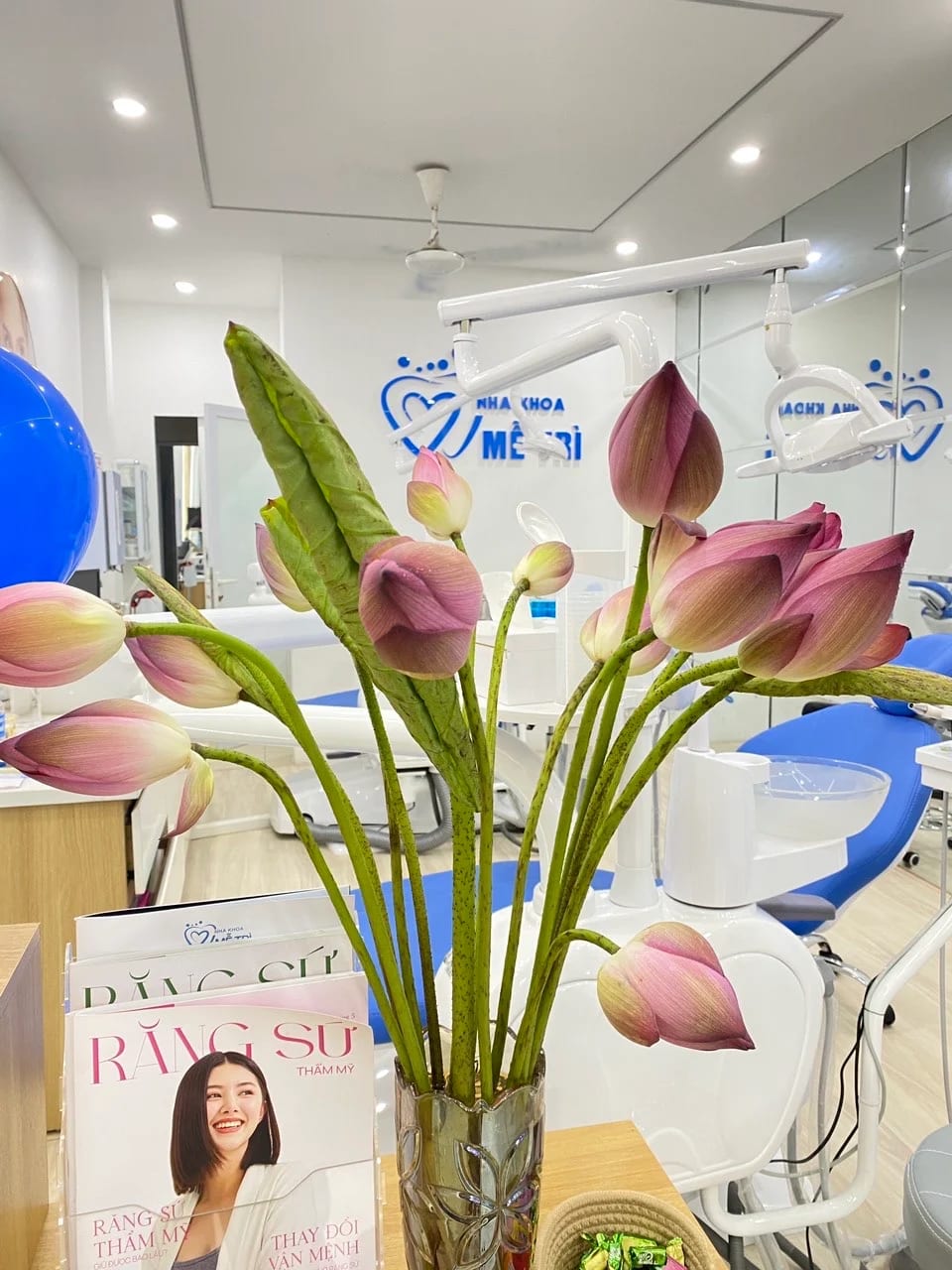
Full-Arch Dental Implants in Hanoi: Treatment Options Explained
September 26, 2026
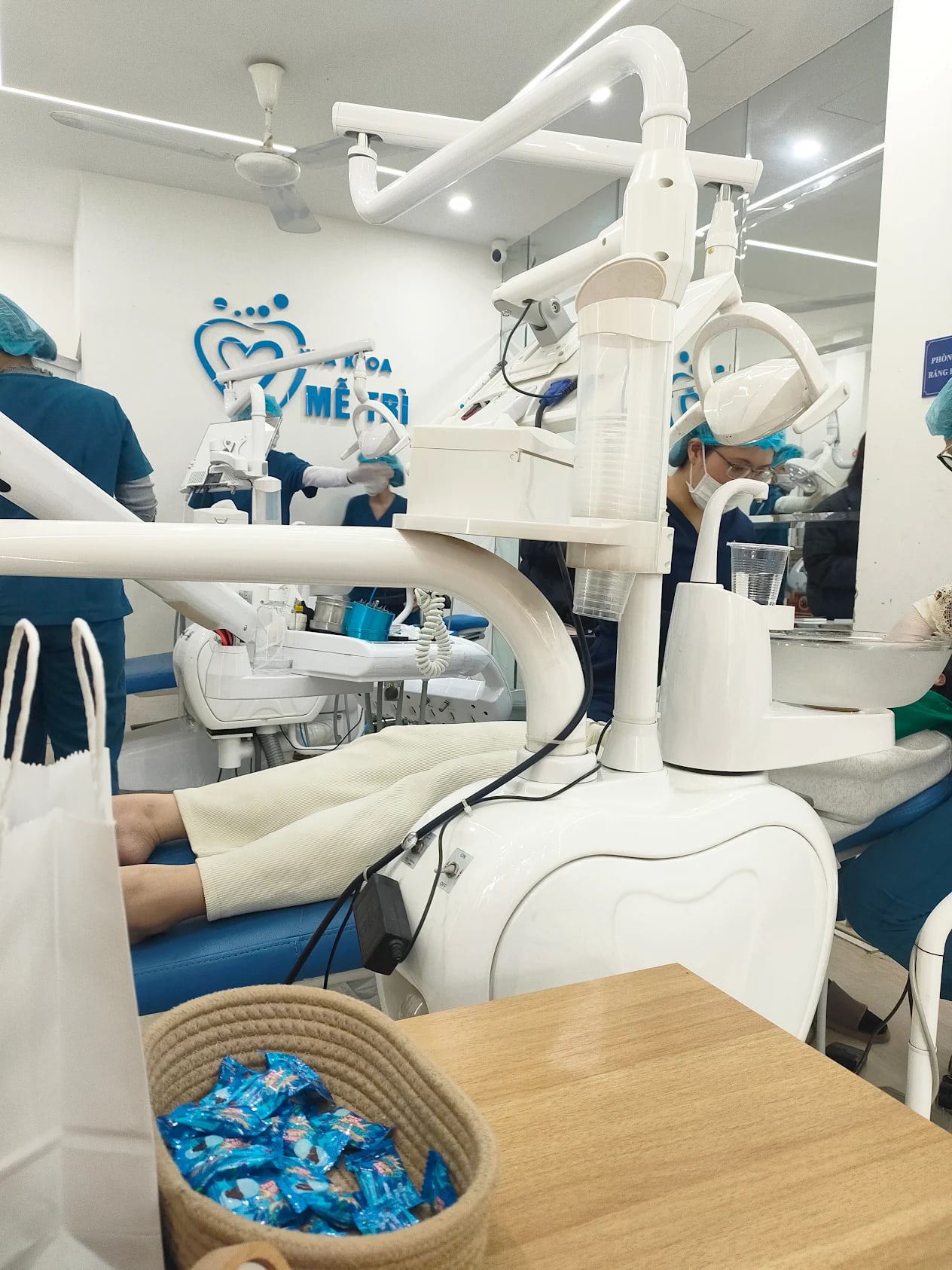
Individual Implants or an Implant-Supported Bridge for Several Missing Teeth?
September 20, 2026
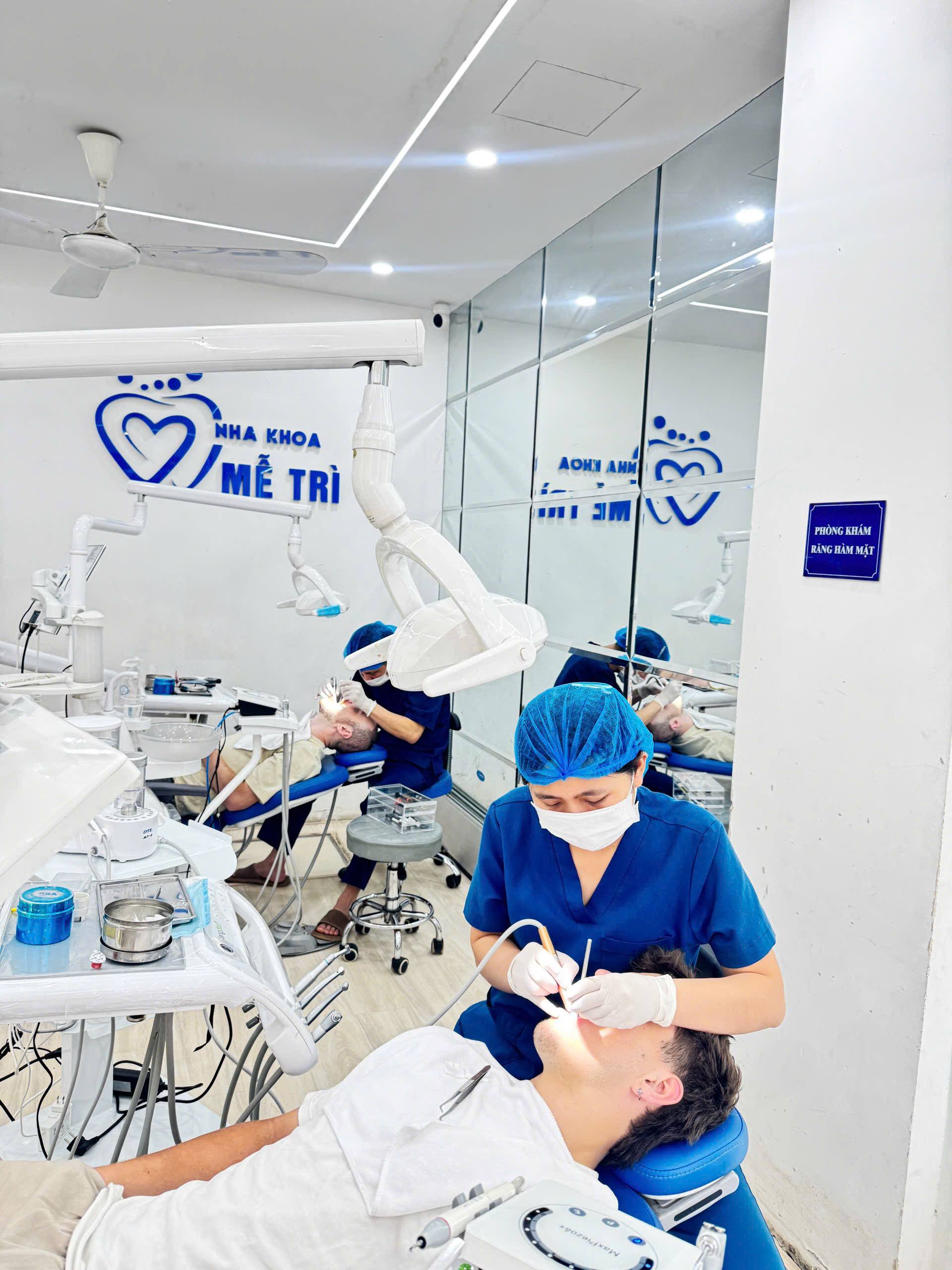
Dental Implant vs Dental Bridge for One Missing Tooth
September 13, 2026