
Does Air Polishing Harm Tooth Enamel?
Air polishing for tartar removal generally does not harm tooth enamel if performed with proper technique. This article explains the mechanism, influencing factors, and precautions to protect enamel during air polishing.
Me Tri Dental Clinic
July 6, 2026
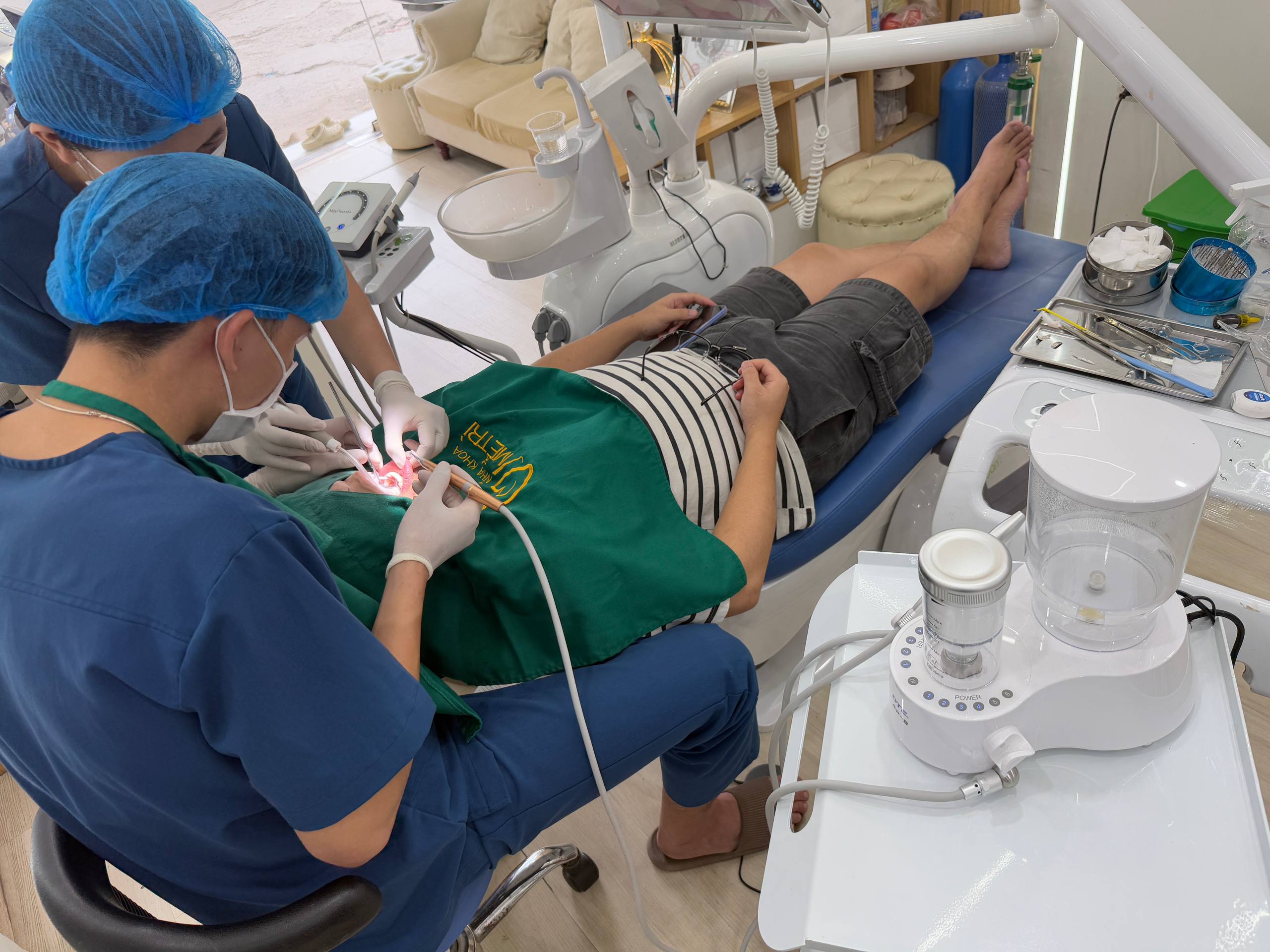
Does Air Polishing for Tartar Removal Harm Tooth Enamel?
Air polishing is a method that uses a stream of fine powder (usually sodium bicarbonate) combined with high-pressure water to clean plaque and stains from the tooth surface. When performed with proper technique, air polishing does not damage healthy tooth enamel. However, factors such as machine intensity, type of powder used, duration of application, and the condition of each individual's enamel can affect the safety of the procedure.
How Air Polishing Cleans Teeth
- Polishing Powder: Typically sodium bicarbonate, which is very fine and helps remove plaque and stains without abrading healthy enamel.
- Water Pressure: High-pressure water helps wash away debris and effectively cleans interdental spaces and tooth surfaces.
- Minimally Invasive: This method mainly acts on the outer surface of the teeth and does not penetrate deep into the enamel structure.
When Can Air Polishing Affect Tooth Enamel?
- Weak or Pre-worn Enamel: If enamel is already worn, cracked, or previously damaged, air polishing may increase sensitivity or cause temporary discomfort.
- Inappropriate Polishing Powder: Some coarse or substandard powders can cause minor scratches on the enamel surface.
- Incorrect Technique: Prolonged application on one spot, excessive pressure, or poor control can increase the risk of enamel damage.
Comparison Table: Air Polishing vs. Ultrasonic Scaling—Effects on Enamel
Who Should Be Cautious with Air Polishing?
- People with weak enamel, sensitive teeth, or a history of prolonged sensitivity.
- Those with congenital enamel disorders or who have undergone whitening or tooth reduction procedures.
- Children and pregnant women should consult their dentist carefully before undergoing the procedure.
Tips to Protect Enamel During Air Polishing
- Only have the procedure done at reputable dental clinics with skilled dentists and standard materials.
- Do not undergo air polishing too frequently unless specifically indicated.
- Inform your dentist if you have a history of sensitivity, weak enamel, or special oral health issues.
- After air polishing, avoid consuming very hot/cold foods or highly acidic foods for the first 24 hours.
Checklist: What to Do Before and After Air Polishing to Protect Enamel
- Schedule a dental exam and consultation to assess your enamel condition.
- Clearly inform your dentist about any current oral issues (sensitivity, enamel wear, previous treatments, etc.).
- Choose a dental clinic with modern equipment and experienced dentists.
- After the procedure, brush gently and avoid vigorous brushing.
- Monitor your tooth sensitivity after the procedure; if sensitivity persists for more than 3 days, return for a check-up.
When Should You Contact Your Dentist After Air Polishing?
- Sensitivity that lasts unusually long (over 3 days).
- Pain, bleeding, or cracks appearing on teeth.
- Noticeable enamel wear or abnormal changes in tooth color.
Frequently Asked Questions
1. Is air polishing necessary for everyone? Not everyone needs air polishing. This method is suitable for those with significant surface stains or yellowing that ultrasonic scaling cannot fully remove. Always consult your dentist before proceeding.
2. Does air polishing whiten teeth? Air polishing removes external stains, making teeth appear brighter, but it does not change the intrinsic color of your enamel like professional whitening.
3. Should air polishing be done regularly? It should not be overused. The appropriate frequency will be advised by your dentist based on your oral health status.
4. If I have weak enamel, should I get air polishing? Discuss thoroughly with your dentist for an assessment and to consider the most suitable method. Do not self-prescribe this procedure.
Conclusion
Air polishing is an effective and safe method for cleaning teeth and protecting enamel when performed with proper technique and indications. To best protect your enamel, choose a reputable dental clinic and follow your dentist's instructions. If you have concerns about this method or wish to check your oral health, you can learn more about our tartar removal service for detailed consultation.
Related services
Related topics
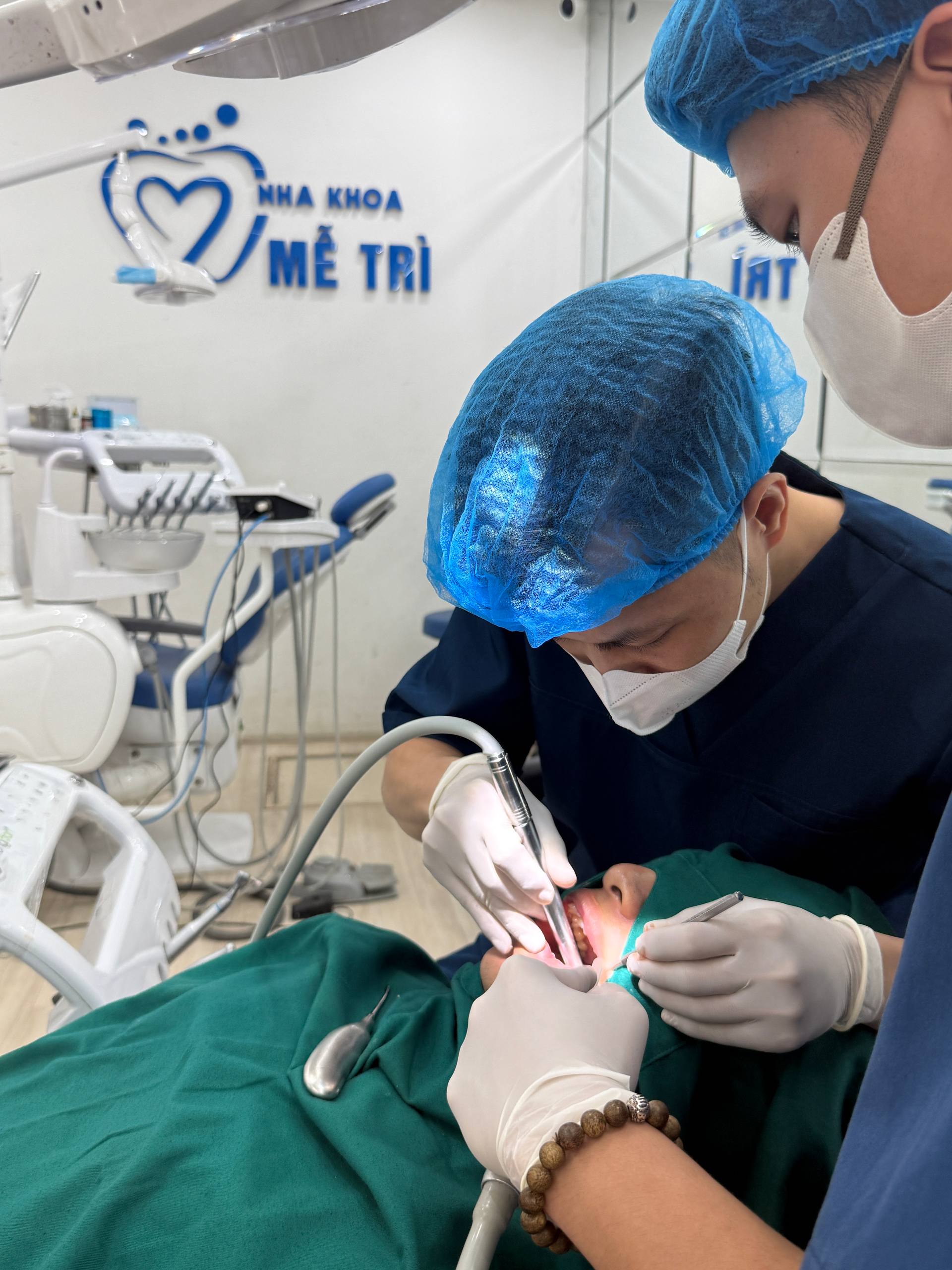
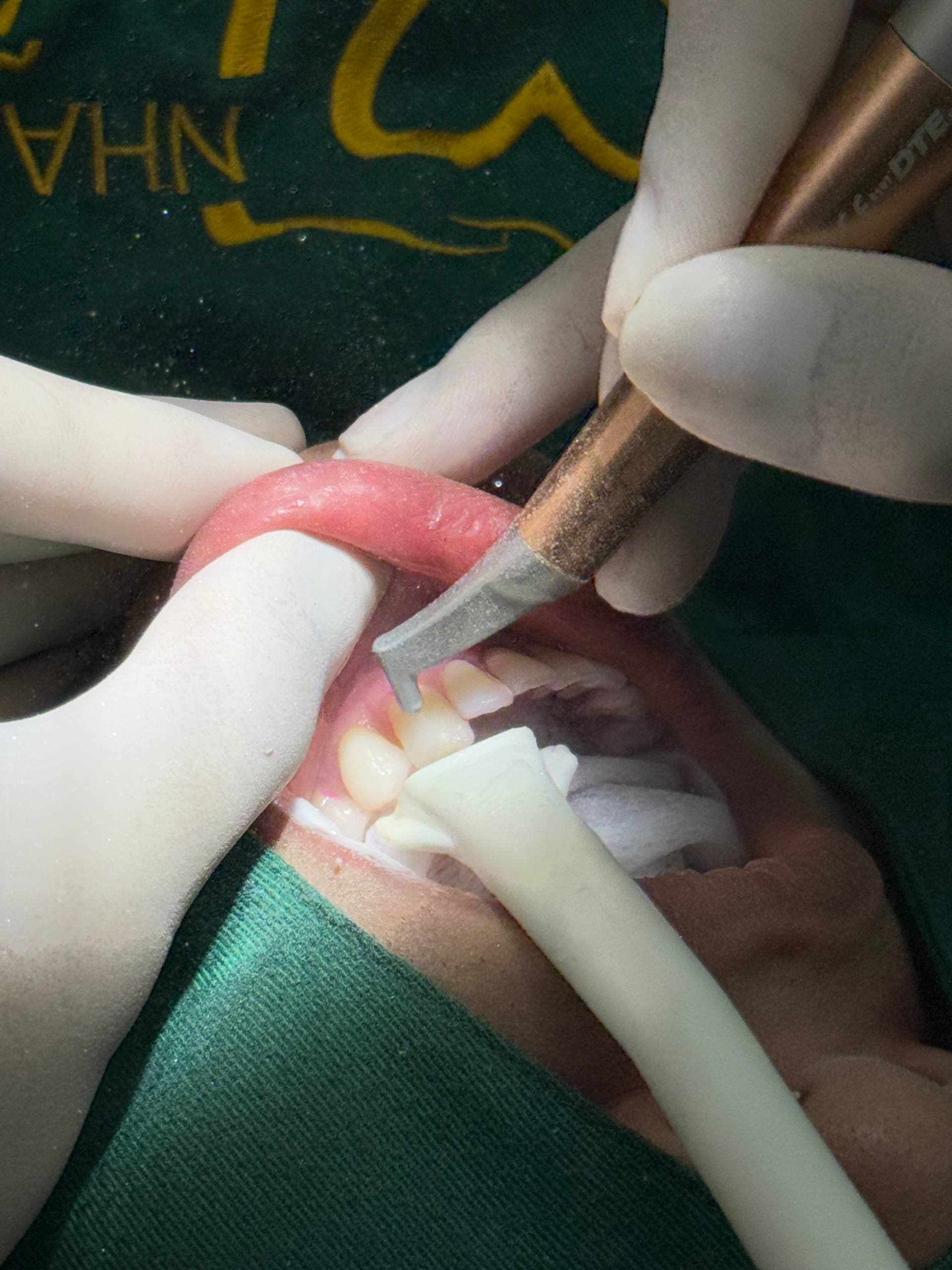
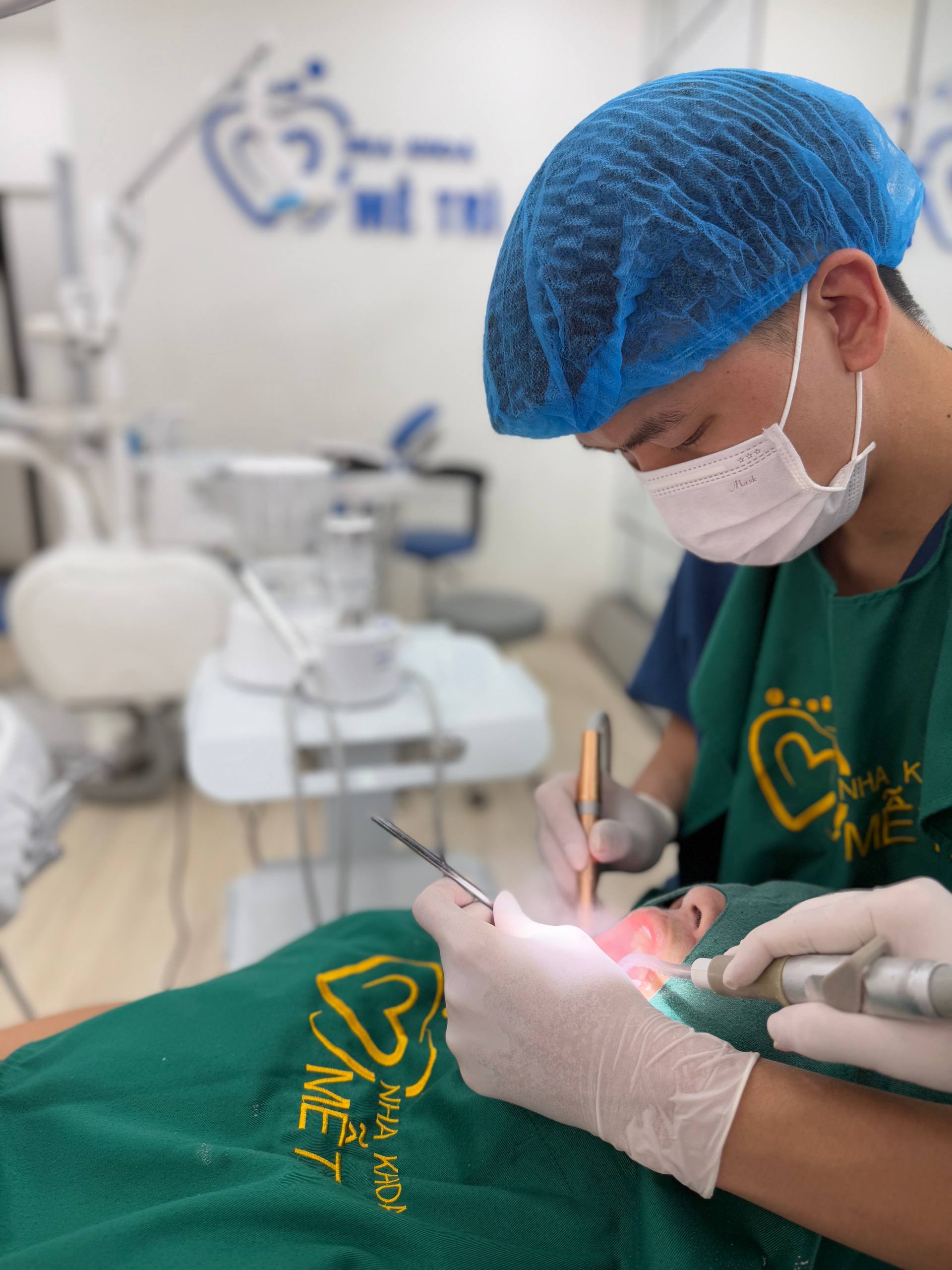
Need a treatment plan that fits your case?
Book a consultation with our team in Me Tri, Hanoi, or review services before your visit.