
Root Canal Treatment
Root canal treatment is indicated when the pulp tissue inside the tooth is inflamed, infected, or damaged due to tooth decay, cracks, or trauma. The goal is to clean the root canal system, control infection, and retain the natural tooth to restore chewing function.
Last updated: June 25, 2026
Medically reviewed by Dr. Phạm Quốc Chí (Specialist Dentist - Restorative Dentistry)
Quick facts before treatment
- Examine the tooth, assess symptoms, and take X-rays if necessary
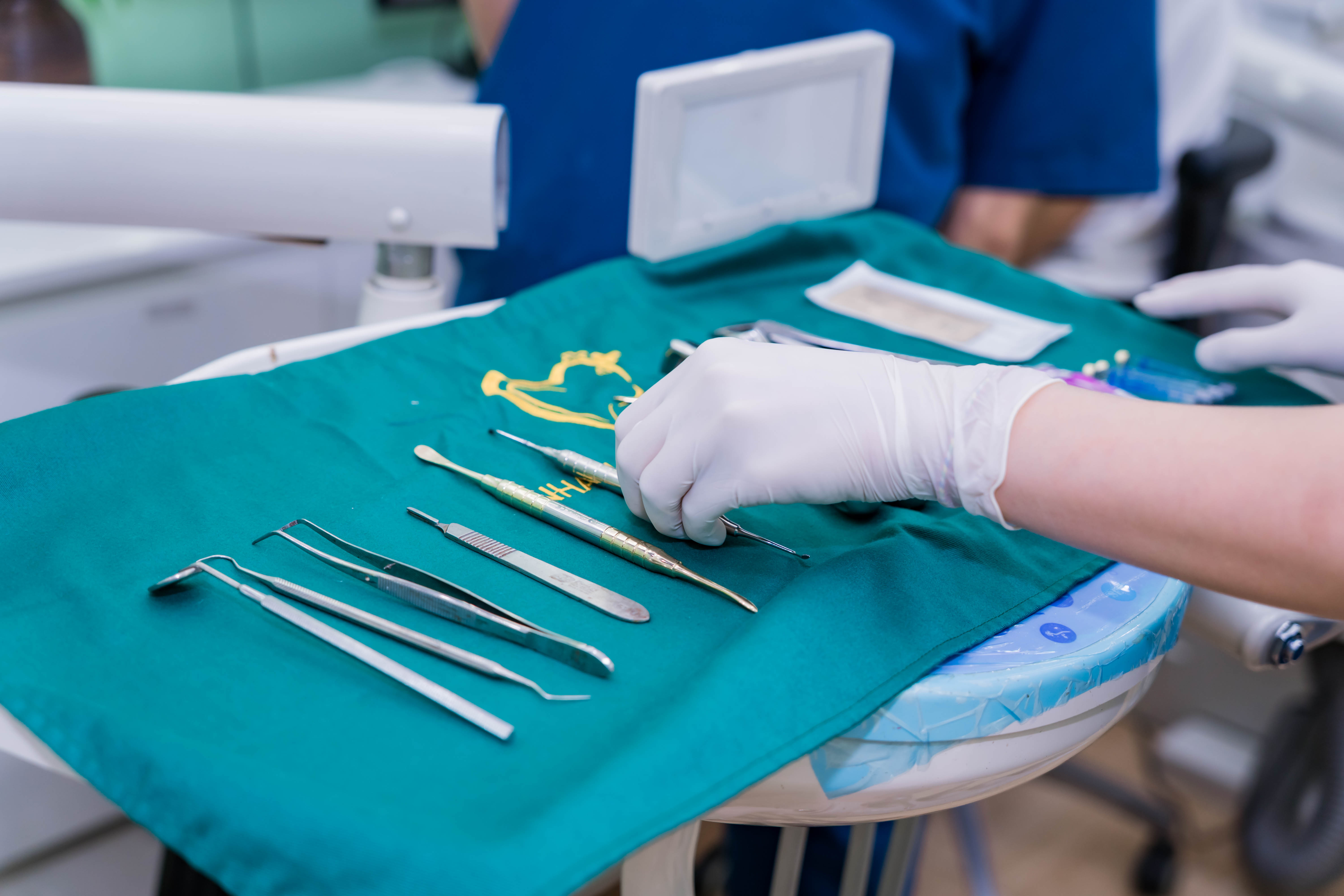
- Access the pulp chamber and clean the root canal system
- Shape, disinfect, and fill the root canals
- Monitor and restore the tooth crown according to an appropriate plan
Duration: Depends on the tooth condition and number of appointments
Recovery: May experience mild sensitivity for a few days
Reference fee: From 600,000 to 2,000,000 VND
Need advice for your actual condition?
Book an appointment so the dentist can examine you and suggest a plan that fits your needs.
What is Root Canal Treatment?
Root canal treatment (also known as endodontic therapy) is the process of removing inflamed or infected pulp tissue inside the tooth, cleaning, and sealing the root canal system. This method helps control infection, relieve pain, and preserve the natural tooth, reducing the need for tooth extraction.
When is Root Canal Treatment Needed?
- Persistent toothache, especially when chewing or at night
- Large cavities exposing the pulp or presence of inflammation around the tooth root
- Cracked or fractured teeth due to trauma causing pulp damage
- Signs of pulpitis or abscess around the tooth apex on X-ray
- Abnormal tooth discoloration suspected to be due to pulp necrosis
Benefits of Root Canal Treatment
- Reduces pain and controls infection
- Preserves the natural tooth, maintaining chewing function
- Prevents the spread of infection to other teeth or surrounding tissues
- Facilitates restoration of the tooth crown with fillings or crowns
Treatment Options
Depending on the tooth condition, the dentist may recommend:
- Root canal treatment for single-rooted or multi-rooted teeth
- Initial root canal treatment or retreatment if previous therapy was unsuccessful
- Restoration of the tooth crown after treatment with fillings or crowns
Root Canal Treatment Procedure
- Clinical examination and X-ray imaging to assess the pulp and root condition
- Local anesthesia to numb the area
- Access opening to the pulp chamber and removal of inflamed/infected pulp tissue
- Cleaning, shaping, and disinfecting the root canal system
- Sealing the root canals with specialized filling materials
- Follow-up and restoration of the tooth crown as directed by the dentist
Aftercare Following Root Canal Treatment
- Mild sensitivity or discomfort may occur for a few days; take medications as prescribed by your dentist
- Avoid chewing hard foods on the treated tooth until fully restored
- Maintain good oral hygiene and brush gently
- Attend follow-up appointments to monitor treatment success and restore the tooth crown if needed
Important Notes
- Not all toothaches require root canal treatment; accurate diagnosis by a dentist is essential
- Some teeth with complex root canal anatomy or extensive infection may require multiple visits
- After root canal treatment, the tooth may be weaker and more prone to fracture; restoring the tooth crown as recommended is important for long-term protection
Related services to compare with Root Canal Treatment
Explore alternative or complementary services to choose a plan that fits your goals.
Treatment for cavities or small chipped teeth to restore chewing function.
Restore damaged teeth with durable and aesthetic porcelain crowns.
Tooth extraction helps address cases of damaged teeth that cannot be preserved or need to be removed as indicated.
Patient reviews for Root Canal Treatment
5.0/5 from 1 reviews (1 with written comments)

Tú Vũ Ngọc
May 31, 2026
"Filling teeth and root canal treatment, good service with enthusiastic consultation."