
Tooth Extraction
Tooth extraction is applied when a tooth has large decay, infection, significant mobility, or is no longer suitable for restoration. Pre-extraction examination helps accurately assess the condition of the tooth, surrounding tissues, and post-treatment care plan.
Last updated: June 25, 2026
Medically reviewed by Dr. Phạm Quốc Chí (Specialist Dentist - Restorative Dentistry)
Quick facts before treatment
- Dental examination and evaluation for extraction indication
- X-rays taken if necessary to determine the condition of the tooth root and surrounding tissues
- Anesthesia administration and tooth extraction according to the appropriate plan
- Bleeding control, care instructions, and scheduling follow-up if needed
Duration: Depends on tooth position and complexity
Recovery: Monitoring during the first few days after extraction
Reference fee: Contact for consultation
Need advice for your actual condition?
Book an appointment so the dentist can examine you and suggest a plan that fits your needs.
What is Tooth Extraction?
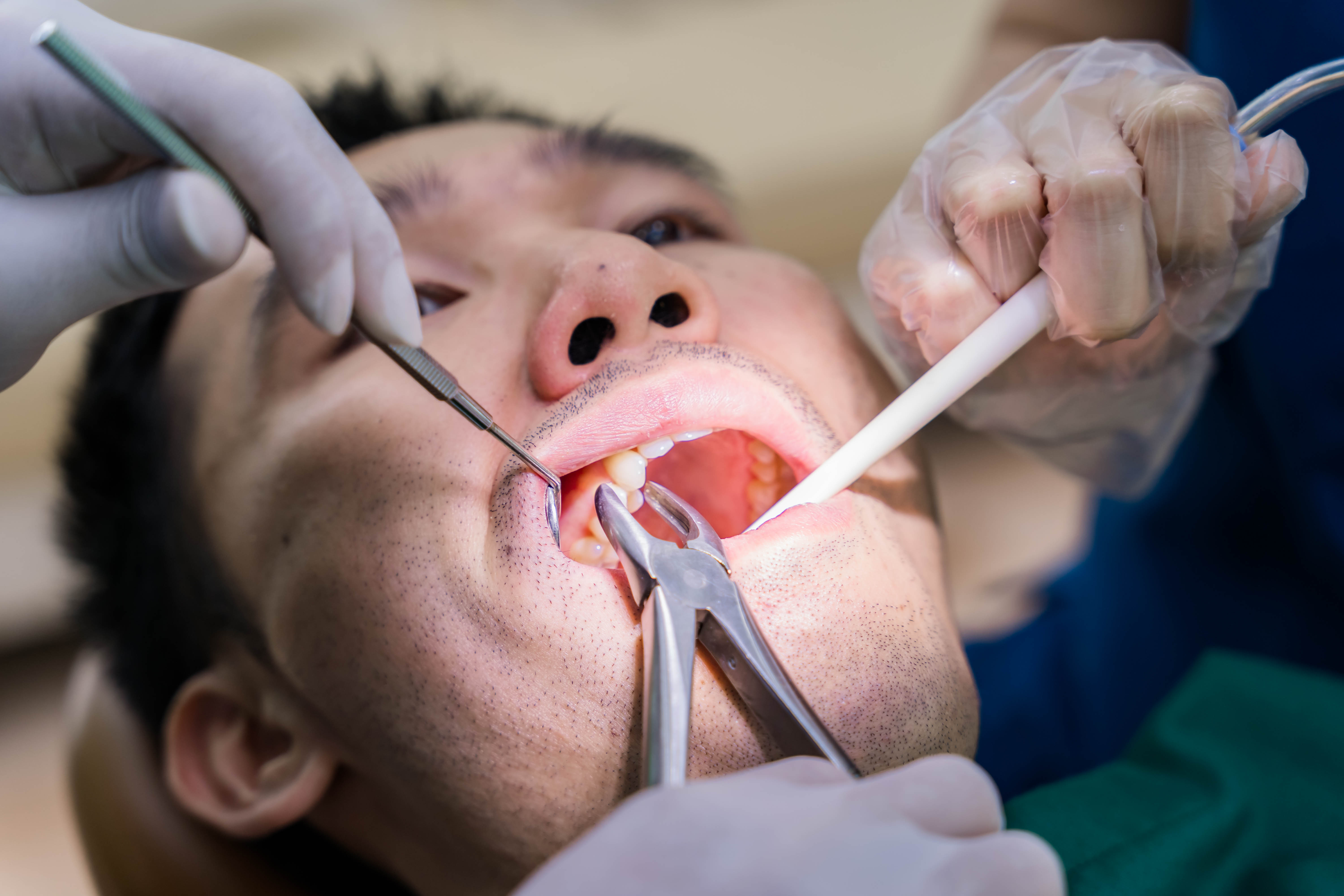
Tooth extraction is a procedure to remove one or more teeth from the dental arch when the teeth can no longer be preserved or pose a risk to oral health. This procedure is usually performed under local anesthesia to reduce pain and ensure patient safety.
When is Tooth Extraction Needed?
- Large cavities that cannot be restored with fillings or crowns.
- Infected teeth, abscesses around the tooth root.
- Teeth that are very loose due to periodontal disease.
- Misaligned, crowded, or impacted teeth causing pain or inflammation.
- Extra teeth or baby teeth that do not fall out at the appropriate time.
Benefits of Tooth Extraction
- Eliminates sources of pain, inflammation, or persistent infection.
- Prevents complications spreading to adjacent teeth and tissues.
- Facilitates orthodontic treatments or future restorations.
- Helps improve overall oral health.
Tooth Extraction Options
- Simple extraction for straight, easily accessible teeth.
- Surgical extraction for impacted teeth, wisdom teeth, or more complex cases.
- The dentist will recommend the most suitable option based on each individual case.
Tooth Extraction Procedure
- The dentist conducts a general examination and evaluates the need for extraction.
- X-rays are taken if necessary to determine the position, shape of the tooth root, and related factors.
- Local anesthesia is administered to minimize pain during the procedure.
- The tooth is extracted using techniques appropriate for the specific case.
- Bleeding is controlled, aftercare instructions are provided, and follow-up appointments are scheduled if needed.
Aftercare Following Tooth Extraction
- Bite firmly on the gauze pad for the first 30-45 minutes to control bleeding.
- Avoid rinsing vigorously, spitting, or using straws for the first 24 hours.
- Eat soft foods and avoid chewing on the extraction site.
- Maintain gentle oral hygiene, avoiding the extraction area.
- Monitor for prolonged swelling, pain, or unusual bleeding and contact your dentist if necessary.
Important Notes
- Not all cases require tooth extraction; the dentist will carefully assess before recommending.
- Special cases such as pregnant women or patients with systemic diseases require careful consideration.
- A direct examination helps determine the most appropriate treatment and care plan for each individual.
Related services to compare with Tooth Extraction
Explore alternative or complementary services to choose a plan that fits your goals.
Restore missing teeth with sturdy and naturally aesthetic Implant posts.
Safe wisdom tooth extraction to reduce pain and prevent complications.
Root canal treatment helps address inflammation or damage to the dental pulp, relieve pain, and preserve the natural tooth when possible.
Patient reviews for Tooth Extraction
5.0/5 from 5 reviews (5 with written comments)

thuykiu thuy
May 30, 2026
"Tooth extraction was not painful at all, very gentle."

P mr
May 10, 2026
"Extraction was painless, only a bit sore after the first day."

Hùng Lê
April 23, 2026
"Just had a tooth pulled, no pain at all!"

Như Thu
April 5, 2026
"Tooth extraction without pain, enthusiastic consultation"

Anh Ngô Thị Phương
March 28, 2026
"Reputable clinic, the staff are gentle and professional. Tooth extraction is quick and reassuring. Highly recommend!!"