
Does Air Polishing for Tartar Removal Hurt? Who Should Get It?
Air polishing for tartar removal is generally painless, causing only mild sensitivity in some people. This method is suitable for most adults, but caution is advised for those with sensitive teeth or gum disease.
Me Tri Dental Clinic
June 16, 2026
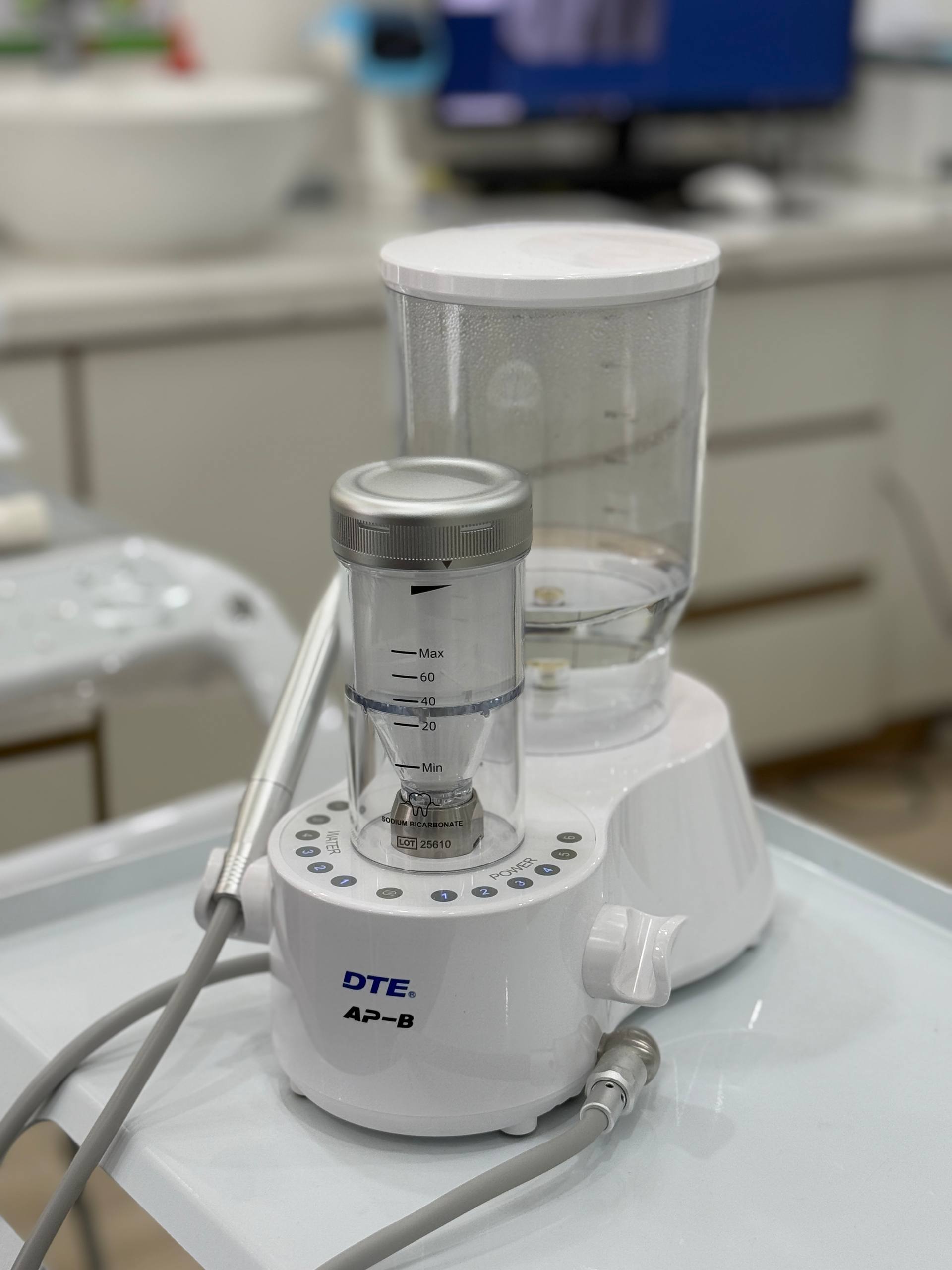
Does air polishing for tartar removal hurt? Quick summary
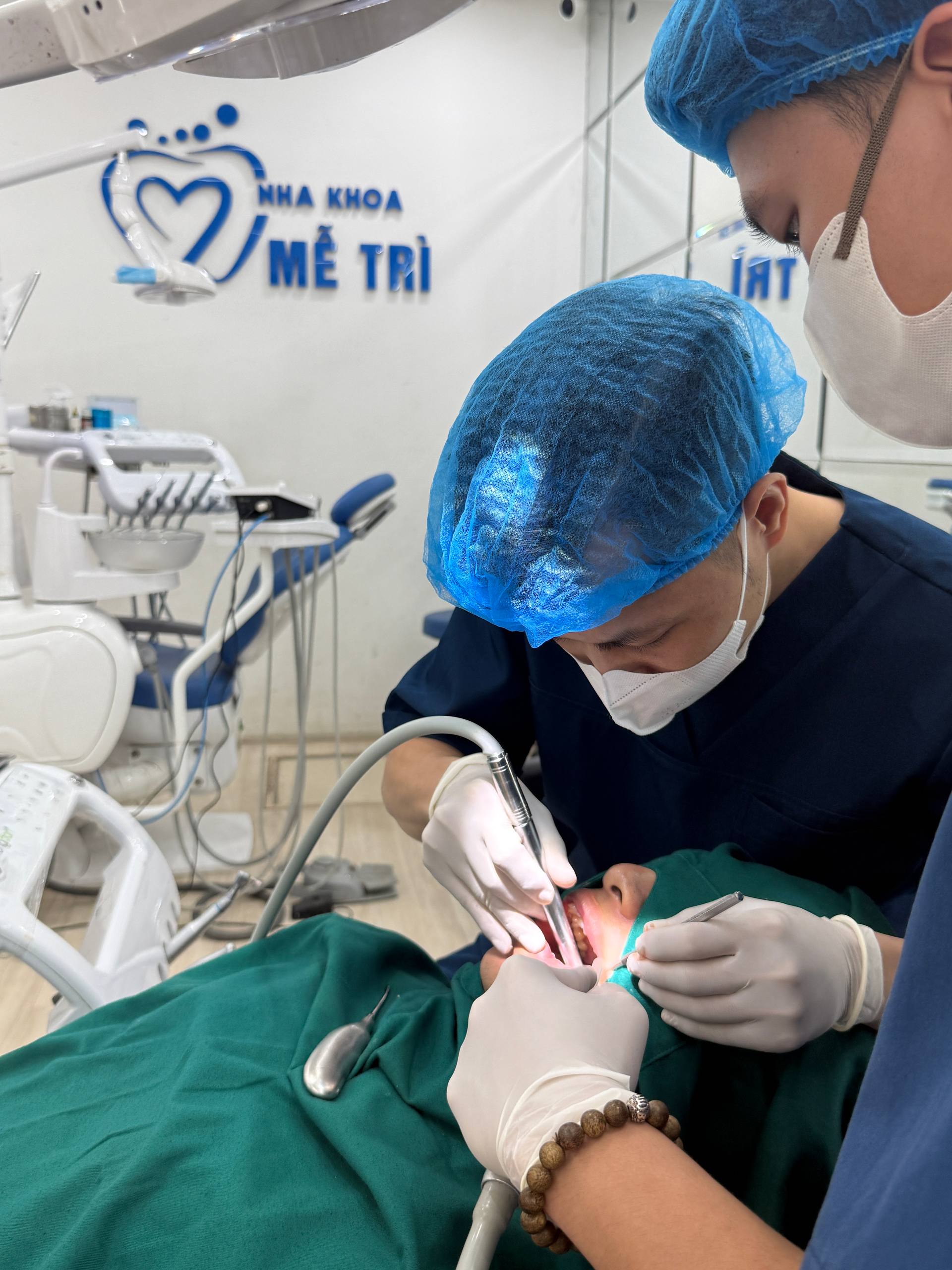
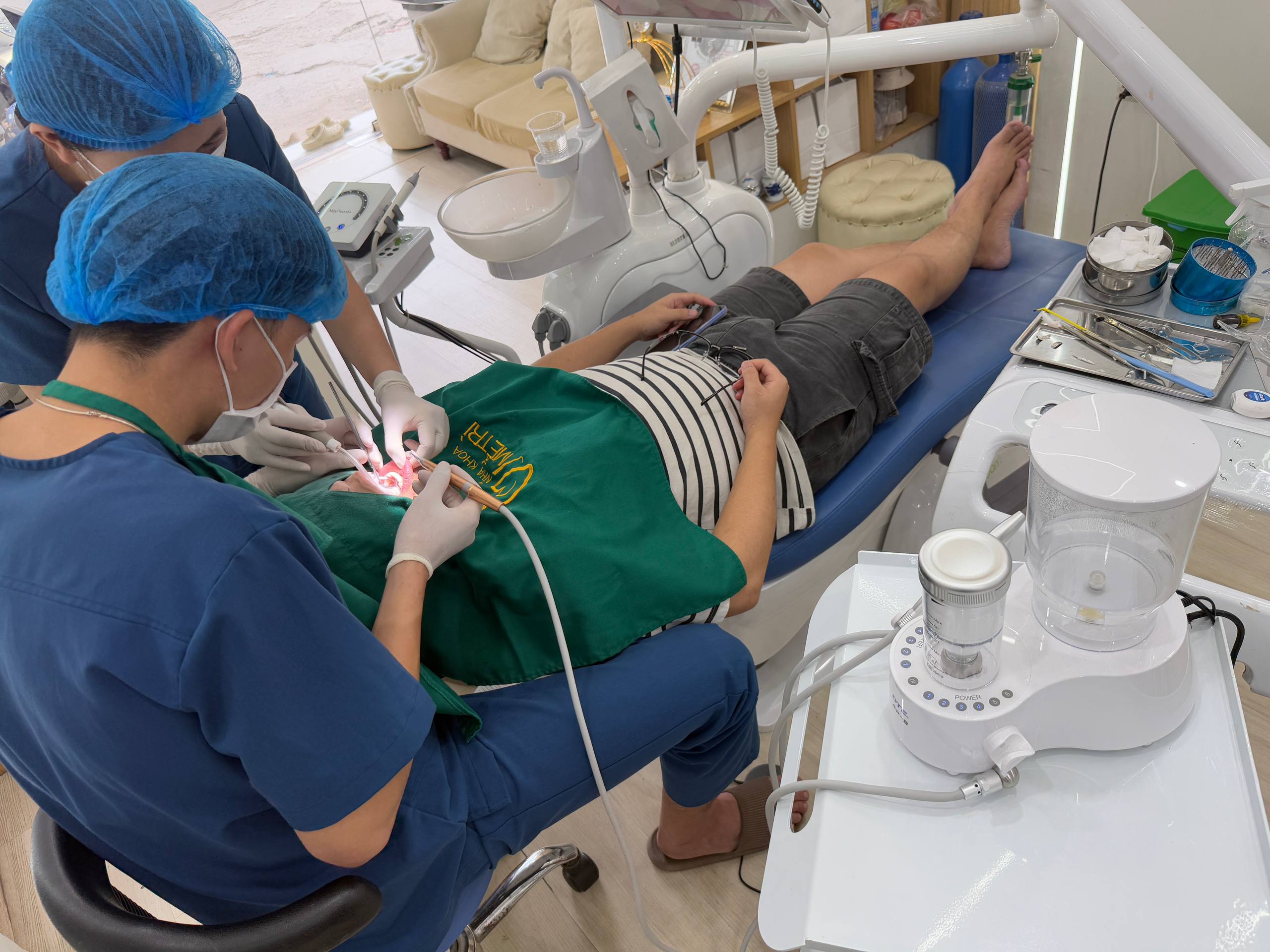
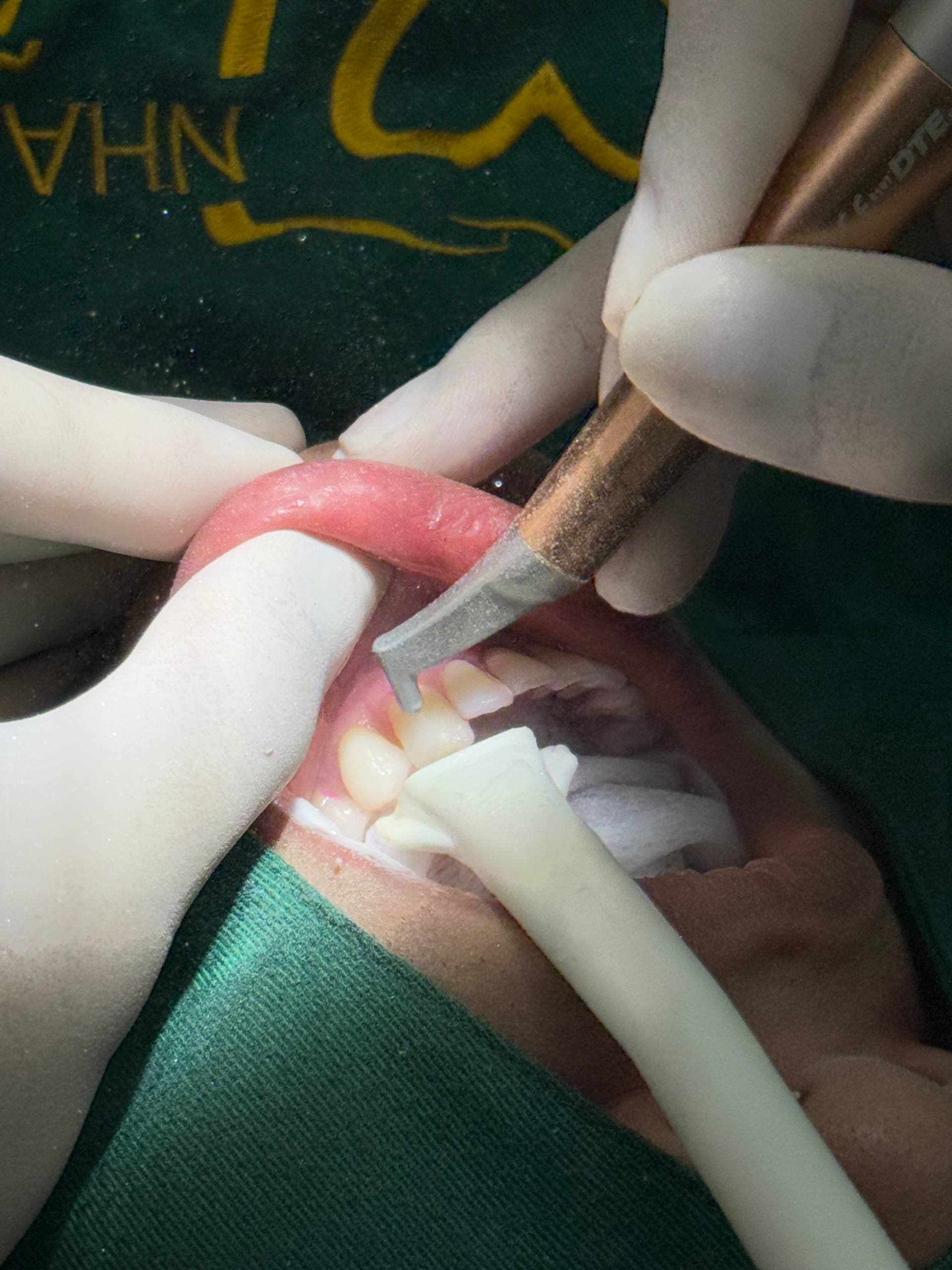
Air polishing is a method of cleaning plaque and tartar using a fine powder combined with water and compressed air. In most cases, this procedure does not cause pain, but may result in mild sensitivity or numbness, especially in sensitive areas or when tartar is deeply embedded below the gumline. The level of discomfort depends on your oral health, individual pain threshold, and the dentist's technique.
Air polishing: What does it actually feel like?
- Most patients only experience mild sensitivity, especially when the air polishing powder contacts the tooth roots or sensitive teeth.
- Not intensely painful: This method is non-invasive, does not deeply impact the gums, and rarely causes real pain.
- Special cases:
- People with gum inflammation, gum recession, or sensitive teeth may feel more discomfort than usual.
- If tartar is deeply embedded below the gums, your dentist may combine air polishing with ultrasonic scaling, which can increase sensitivity slightly.
Factors affecting sensation during air polishing
- Gum and tooth condition: Sensitive teeth, gum recession, or gingivitis are more prone to discomfort.
- Amount of tartar and plaque: Thick, long-standing tartar may require more thorough cleaning.
- Technique and equipment: Modern air polishing machines, small nozzles, and gentle technique help minimize discomfort.
- Individual pain threshold: Everyone perceives sensitivity differently.
Who should and should not get air polishing?
Suitable candidates
- Adults with significant plaque and tartar, especially on the inner surfaces of lower front teeth and molars.
- People wanting to remove stains from coffee, tea, or tobacco.
- Those with stable oral health and no acute gum inflammation.
Those who should consult a dentist first
- People with sensitive teeth or prolonged sensitivity.
- Those with severe gingivitis, periodontitis, or heavy gum bleeding.
- People who have recently undergone dental procedures (fillings, crowns, implants).
- Children under 12 or individuals with special systemic conditions (heart disease, bleeding disorders) should discuss with their dentist before proceeding.
Comparing air polishing and ultrasonic scaling: Sensation and effectiveness
Note: Dentists often combine both methods for optimal results.
When should you notify your dentist?
- Sharp pain or prolonged sensitivity after cleaning.
- Heavy gum bleeding, swelling, or pain that does not subside after 1–2 days.
- Signs of fever, general discomfort, or severe pain.
Checklist: Preparing for and caring after air polishing
- Before the procedure:
- Inform your dentist if you have sensitive teeth, allergies, or special medical conditions.
- Eat a light meal before your appointment; avoid coming on an empty stomach.
- During the procedure:
- Relax, breathe evenly, and notify your dentist immediately if you feel unusual pain or discomfort.
- After air polishing:
- Avoid very hot or cold foods and drinks for the first 1–2 hours.
- Brush gently with a soft-bristled toothbrush.
- Monitor for sensitivity; if it lasts more than 2 days, contact your dentist.
Frequently asked questions about air polishing for tartar removal
1. Does air polishing wear down tooth enamel?
- When performed correctly and at appropriate intervals, this method does not erode enamel.
2. How often should I get air polishing for tartar removal?
- Usually every 4–6 months, depending on your oral health and your dentist’s recommendation.
3. Is anesthesia needed for air polishing?
- Most cases do not require anesthesia. If you are very sensitive, your dentist may consider using a desensitizing gel.
4. Are there any dietary restrictions after air polishing?
- Avoid very hot/cold foods and dark-colored foods for the first 1–2 days to protect enamel and prevent new stains.
When should you visit a dental clinic for advice?
If you have sensitive teeth, gum inflammation, or have never had tartar removal before, you should visit a dental clinic for an examination and personalized advice. For more details about the procedure and its benefits, see our Tartar Removal Service.
Related services
Related topics
Need a treatment plan that fits your case?
Book a consultation with our team in Me Tri, Hanoi, or review services before your visit.