
How Often Should You Get Teeth Scaling? When to Combine with Air Polishing?
Learn about the recommended frequency for teeth scaling, when to combine it with air polishing for optimal plaque removal, and the factors influencing these decisions. Practical guidance for different situations.
Me Tri Dental Clinic
June 29, 2026
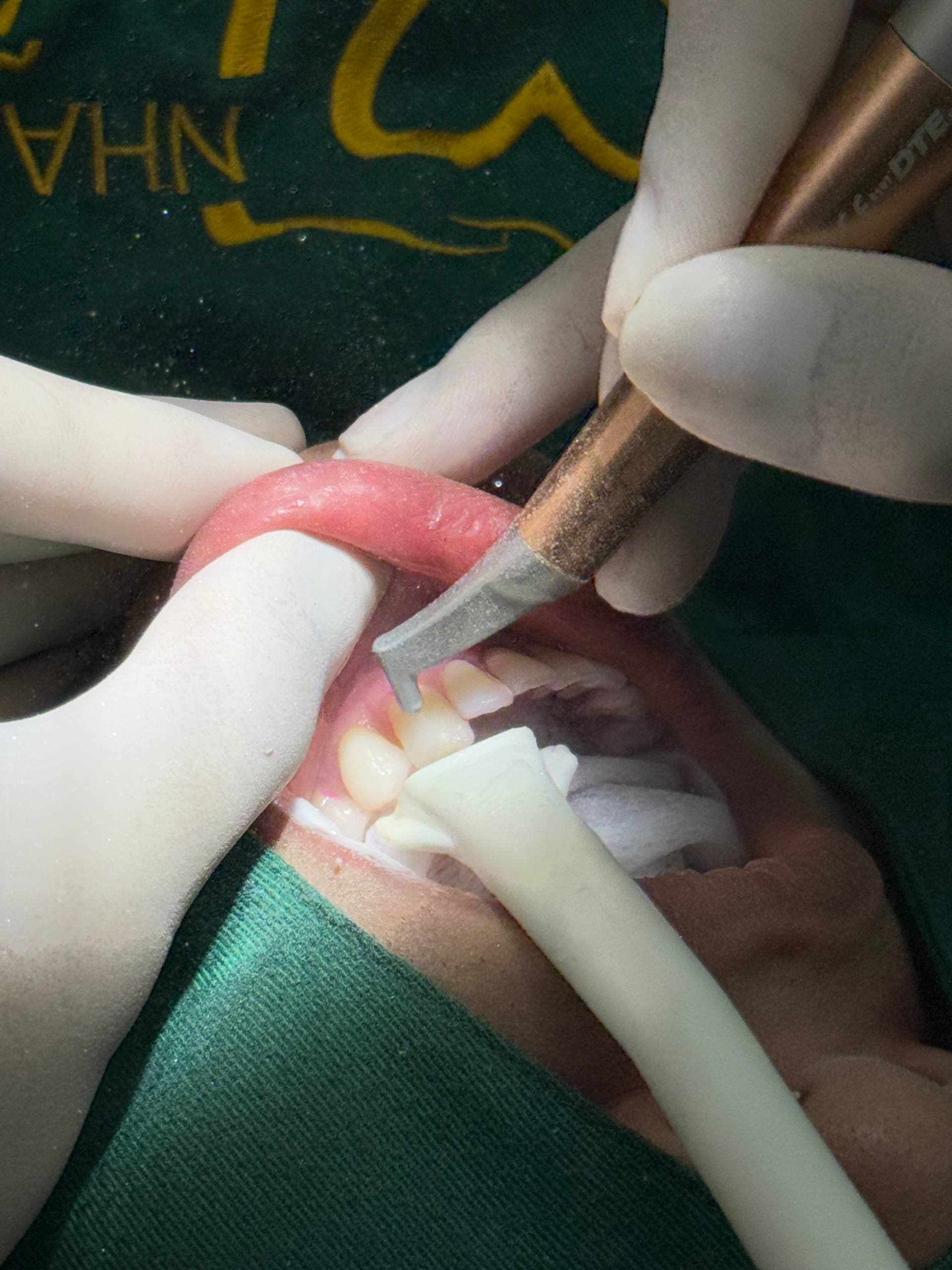
Quick Summary: How Often Should You Get Teeth Scaling? When Is Air Polishing Needed?
Most adults should have their teeth scaled every 6 months to prevent gingivitis and other oral diseases. However, this frequency may vary depending on your oral health, hygiene habits, and risk of plaque buildup. Air polishing is usually recommended when there are significant stains, stubborn deposits, or a need for deeper cleaning after standard scaling. The appropriate method should be chosen based on your dentist's assessment after examination.
How Often Is Teeth Scaling Recommended?
General Recommendations:
- Most dentists advise teeth scaling every 6 months.
- Some cases may require scaling every 3-4 months, especially if:
- You are prone to tartar buildup due to thick saliva, smoking, or frequent coffee/tea consumption.
- You are undergoing periodontal treatment or have a history of gum disease.
- Your oral hygiene is suboptimal or you wear braces.
Why Is Regular Scaling Important?
- Tartar is a hardened plaque that cannot be completely removed by regular brushing.
- If not cleaned, tartar can cause gum inflammation, bad breath, gum recession, and increase the risk of tooth decay.
When Should You Get Scaling Sooner?
- If your teeth feel rough or you notice yellow-brown deposits near the gum line.
- If your gums bleed easily when brushing.
- If you have persistent bad breath despite good hygiene.
When Should Air Polishing Be Combined with Scaling?
Air polishing is a technique that uses a jet of fine powder and pressurized water to remove stains and deposits from the tooth surface. Air polishing does not replace scaling but is often combined after hard tartar has been removed.
Combine air polishing when:
- There are significant stains from coffee, tea, tobacco, or dark-colored foods.
- Thin, stubborn deposits remain that are difficult to remove with ultrasonic scaling.
- You want a deeper clean and a brighter, more natural tooth surface.
Not everyone needs air polishing:
- If you do not have many stains, standard scaling is usually sufficient.
- Those with sensitive teeth, exposed tooth roots, or severe gum disease should consult carefully before air polishing.
Comparison Table: Standard Scaling vs. Scaling with Air Polishing
Factors Affecting Scaling Frequency and Air Polishing Indication
- Oral hygiene habits: Regular brushing and flossing help reduce tartar buildup.
- Diet: Frequent consumption of sweets or dark-colored drinks increases plaque risk.
- Oral health status: Those with periodontal disease or gingivitis should scale and consider air polishing more often.
- Individual factors: Saliva composition, tooth structure, medical history.
Checklist: When Should You Schedule Scaling or Ask About Air Polishing?
- It has been more than 6 months since your last scaling.
- You notice tooth discoloration or yellow/brown deposits near the gum line.
- Your gums bleed when brushing or you have persistent bad breath.
- You frequently drink coffee, tea, or smoke.
- You wear braces or have a history of gum/periodontal disease.
- You want a deeper clean and naturally brighter teeth.
If you checked one or more of the above, schedule a dental check-up for personalized advice. See details about the procedure at Teeth Scaling.
Safety Notes and Recommendations
- Do not attempt to scale your teeth at home as it can damage your gums and enamel.
- Air polishing should be performed by a dentist and not overused, especially if you have sensitive teeth or specific dental conditions.
- After scaling/air polishing, maintain good oral hygiene and attend regular check-ups.
Frequently Asked Questions
1. Is scaling/air polishing painful?
- Usually not. You may feel slight sensitivity if you have sensitive teeth or gum inflammation, but this subsides within a few hours.
2. Should I scale/air polish more often if I wear braces?
- Yes. Braces increase plaque buildup, so scaling and possibly air polishing every 3-4 months is recommended.
3. Does air polishing erode enamel?
- When performed correctly and not overused, air polishing does not significantly erode enamel.
4. What should I avoid after scaling/air polishing?
- Avoid dark-colored foods and very hot/cold drinks for the first 24 hours. Maintain good oral hygiene.
5. When should I consult a dentist before air polishing?
- If you have sensitive teeth, exposed roots, severe gum disease, or are undergoing periodontal treatment, discuss with your dentist before proceeding.
Note: The frequency of scaling and the indication for air polishing may vary individually. For safety and best results, always consult your dentist for direct advice. Learn more about the Teeth Scaling service.
Related services
Related topics
Need a treatment plan that fits your case?
Book a consultation with our team in Me Tri, Hanoi, or review services before your visit.