
What Is Air Polishing for Tartar Removal? How Does It Differ from Conventional Scaling?
Learn what air polishing for tartar removal is, how it differs from conventional scaling, their pros and cons, and when to choose each method.
Me Tri Dental Clinic
June 13, 2026
What Is Air Polishing for Tartar Removal? How Does It Differ from Conventional Scaling?
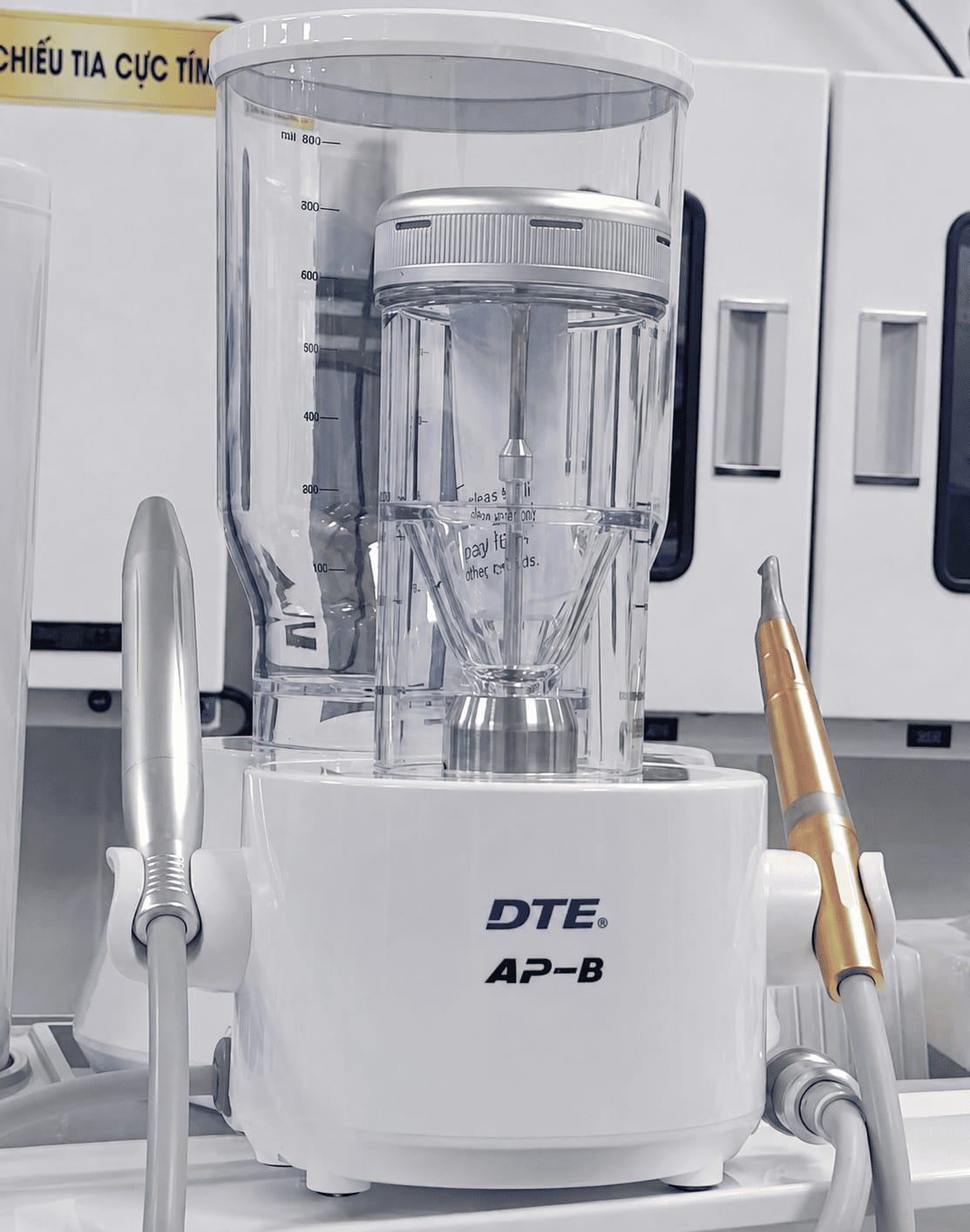
Air polishing for tartar removal is a technique that uses a specialized device to spray fine powder (usually sodium bicarbonate) combined with a high-pressure water jet to clean plaque, tartar, and surface stains from teeth. Unlike conventional scaling—which mainly uses ultrasonic devices to break apart hard tartar deposits—air polishing focuses on removing surface stains and soft plaque, resulting in brighter and cleaner teeth. Each method has its own advantages, limitations, and is suitable for specific cases.
Comparison: Air Polishing vs. Conventional Scaling
When Should You Choose Each Method?
- Conventional Scaling (Ultrasonic):
- When there is a lot of hard, long-standing tartar.
- When gums are inflamed or bleeding due to tartar.
- This is the basic step, usually indicated first.
- Air Polishing:
- When you want to deeply clean stains from tea, coffee, or tobacco.
- When mild stains remain after ultrasonic scaling.
- Often combined after ultrasonic scaling to perfect tooth surfaces.
Pros and Cons of Each Method
Conventional Scaling (Ultrasonic)
Pros:
- Effectively removes hard tartar and heavy plaque.
- Reduces risk of gum inflammation and bad breath.
- Common procedure, suitable for most cases.
Cons:
- May leave mild stains on teeth.
- Some sensitive individuals may feel slight discomfort.
Air Polishing
Pros:
- Effectively cleans soft plaque and surface stains.
- Leaves teeth brighter and shinier after the procedure.
- Less likely to cause sensitivity, suitable for those with sensitive enamel.
Cons:
- Cannot replace ultrasonic scaling when hard tartar is present.
- May cause a "gritty" sensation in the mouth, which can be uncomfortable for some.
- Should not be overused to avoid enamel wear.
What Is the Typical Air Polishing Procedure?
- General examination and assessment of teeth and gums.
- Ultrasonic scaling if hard tartar is present.
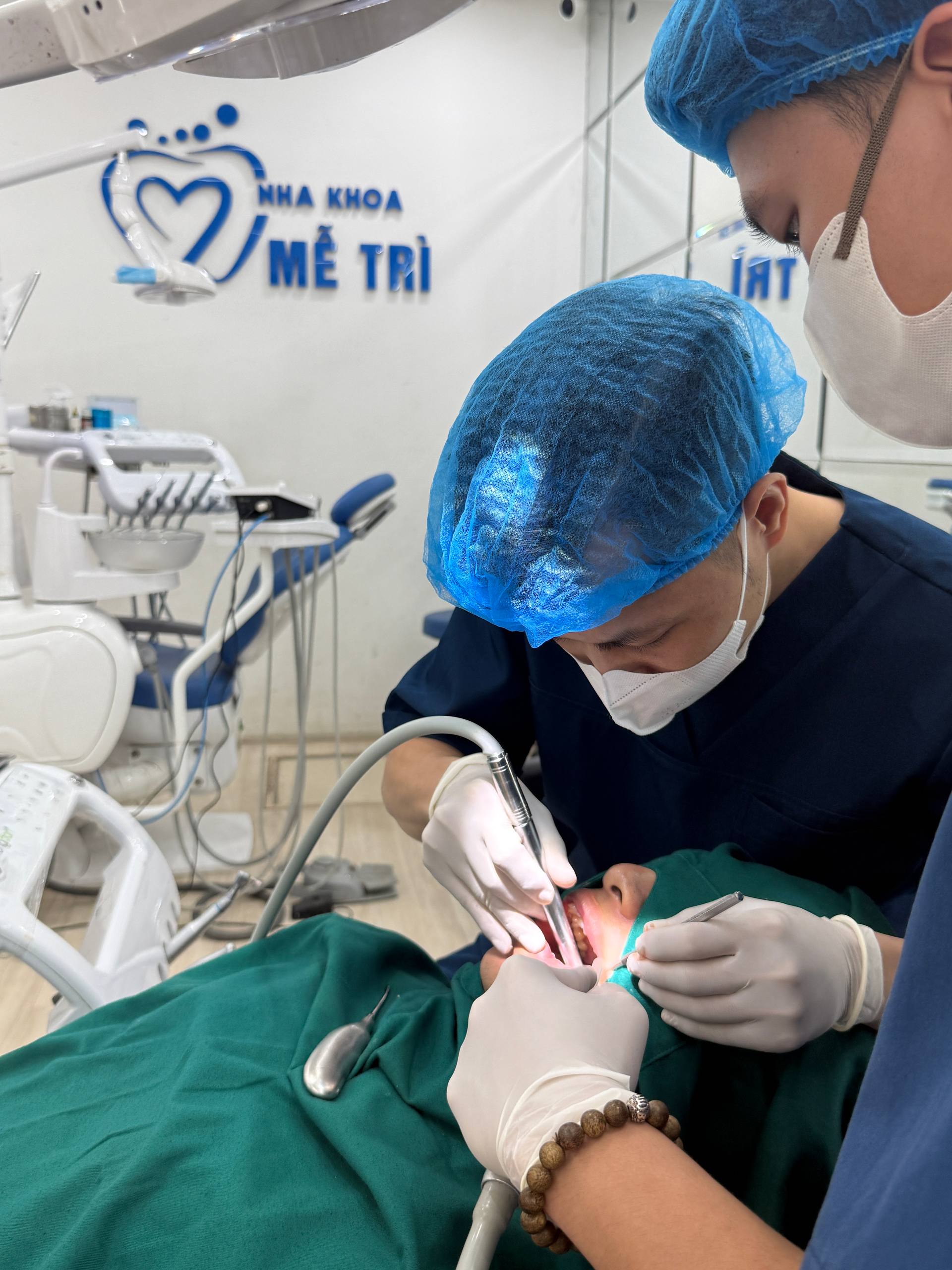
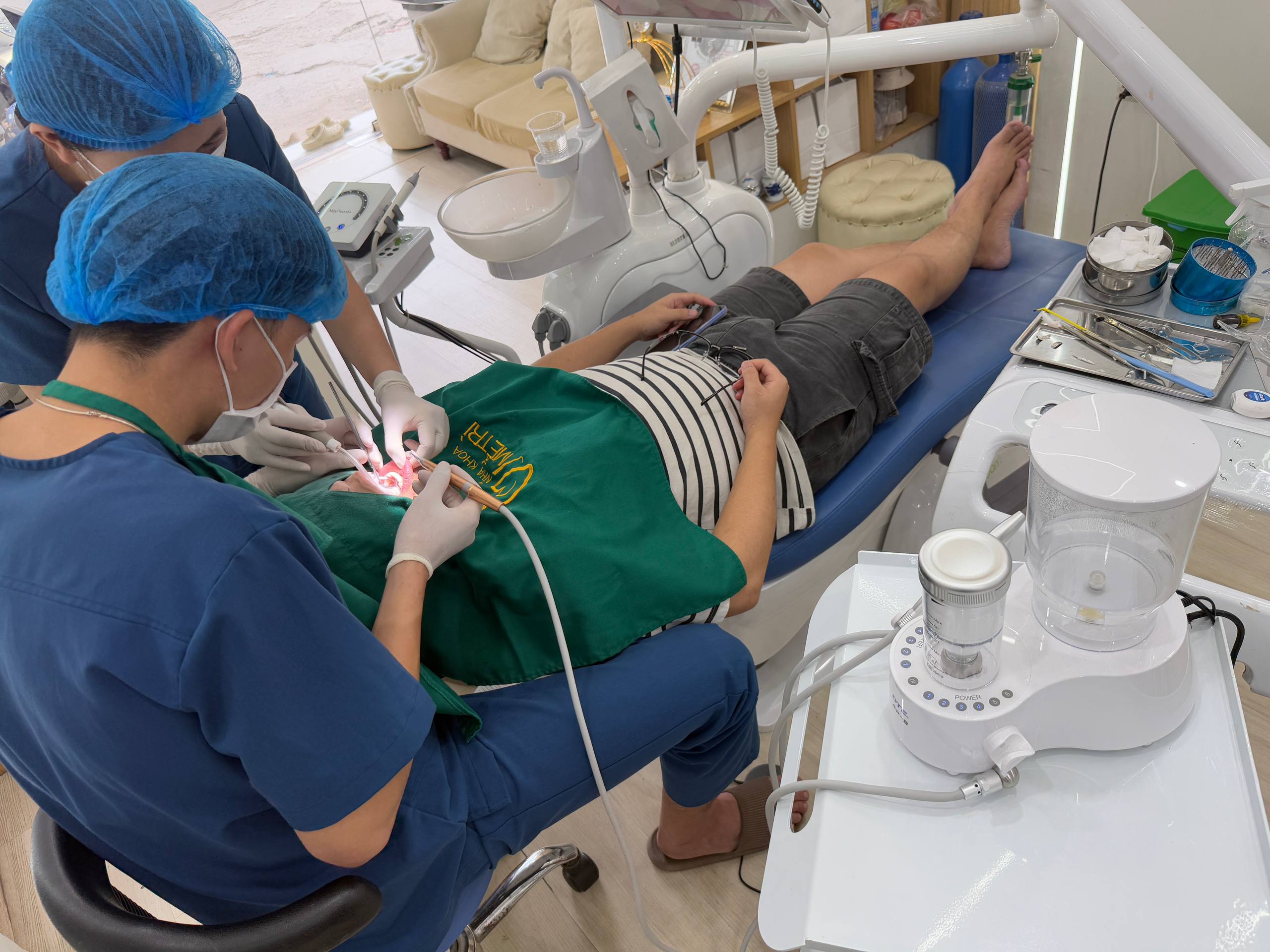
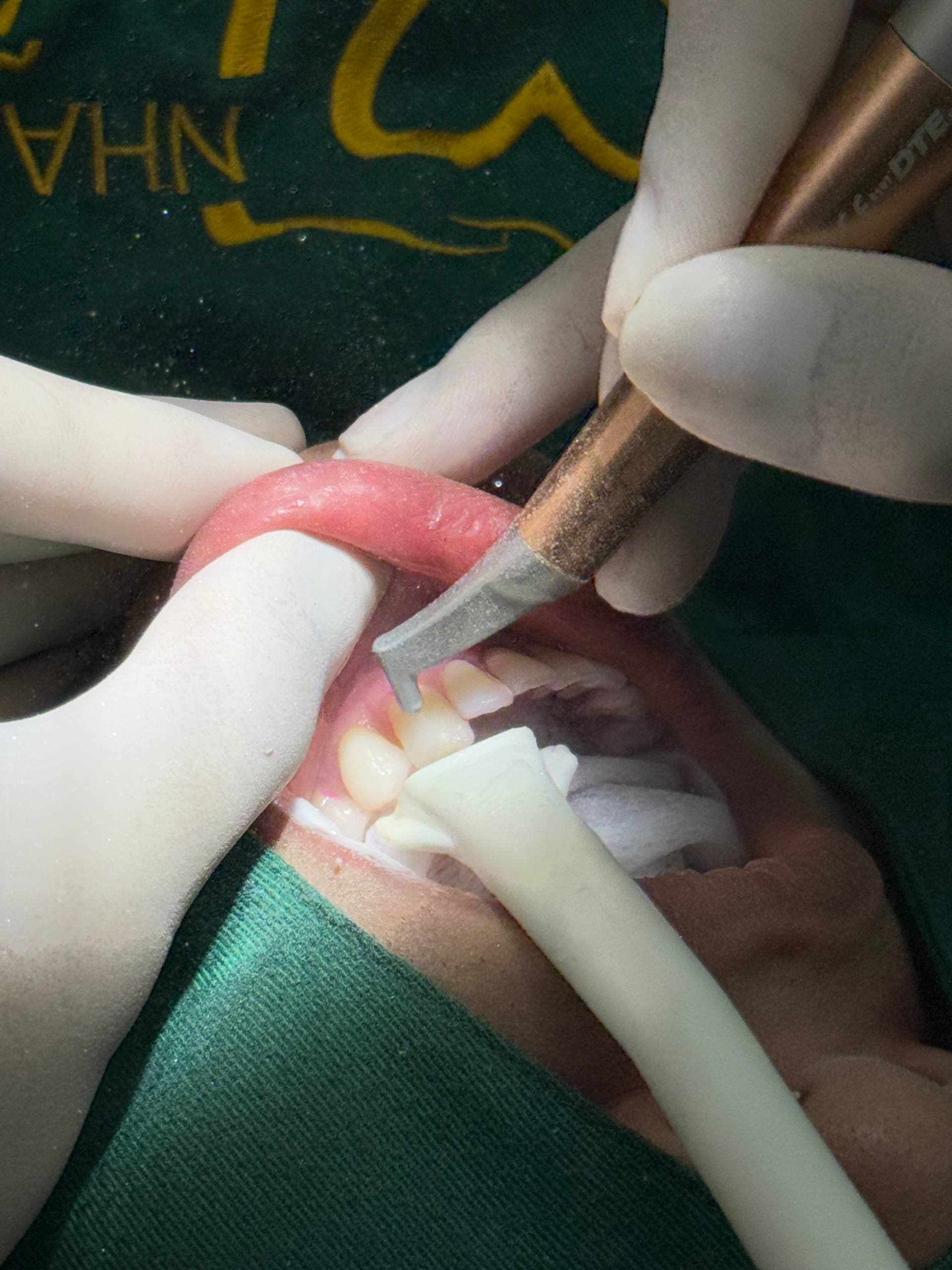
- Use of air polishing device to clean soft plaque and surface stains.
- Tooth polishing and post-treatment care instructions.
For a detailed look at the tartar removal process, see Tartar Removal.
Notes When Choosing a Tartar Removal Method
- Not everyone needs air polishing every time. The dentist will assess your oral condition to recommend the appropriate method.
- Those with weak enamel or sensitive teeth should discuss thoroughly with the dentist before air polishing.
- Air polishing is usually a supplementary step and does not completely replace ultrasonic scaling.
- Do not request air polishing without professional recommendation.
Checklist: What to Do Before Air Polishing?
- Schedule a dental check-up and clearly communicate your expectations with your dentist.
- Inform your dentist about any history of tooth sensitivity or oral diseases.
- Ask about costs, procedure time, and post-treatment instructions.
- Avoid consuming colored foods/drinks (tea, coffee, tobacco) at least 2 hours before and after the procedure.
- Follow oral care instructions after the procedure.
Frequently Asked Questions About Air Polishing
1. Does air polishing hurt?
Usually, air polishing only causes mild sensitivity or a slight "gritty" feeling on the teeth, not significant pain. If you have weak enamel, inform your dentist beforehand.
2. Do I need air polishing every time?
Not necessarily. Air polishing is typically only needed when there are many stains or soft plaque remaining after ultrasonic scaling.
3. Does air polishing wear down enamel?
If performed correctly and not overused, air polishing is safe for enamel. However, it should not be done too frequently or with excessive force.
4. What should I avoid after air polishing?
Limit consumption of colored foods and drinks (tea, coffee, colored sodas, tobacco) for the first 24 hours to keep your teeth bright longer.
Both air polishing and conventional scaling play important roles in oral care. Choosing the right method should be based on your actual oral condition and your dentist’s advice. For more detailed consultation on the procedure and suitable options, see Tartar Removal.
Related services
Related topics
Need a treatment plan that fits your case?
Book a consultation with our team in Me Tri, Hanoi, or review services before your visit.