
Who Is Suitable for Air Polishing? Cases to Consider Carefully
Air polishing is suitable for people with heavy plaque, mild tooth staining, and those seeking deep cleaning and polishing of tooth surfaces. However, not everyone should undergo this method.
Me Tri Dental Clinic
July 13, 2026
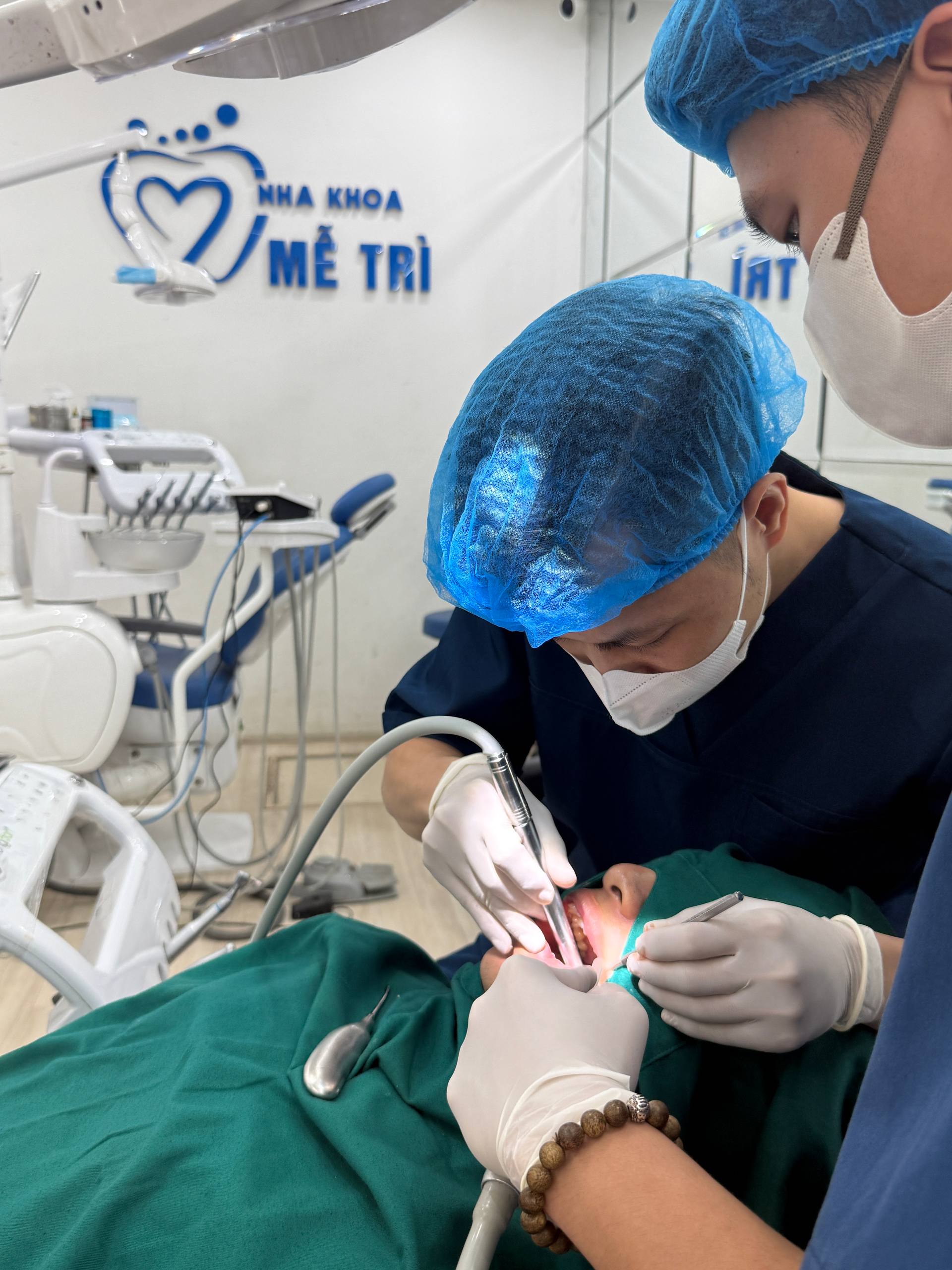
Who is suitable for air polishing?
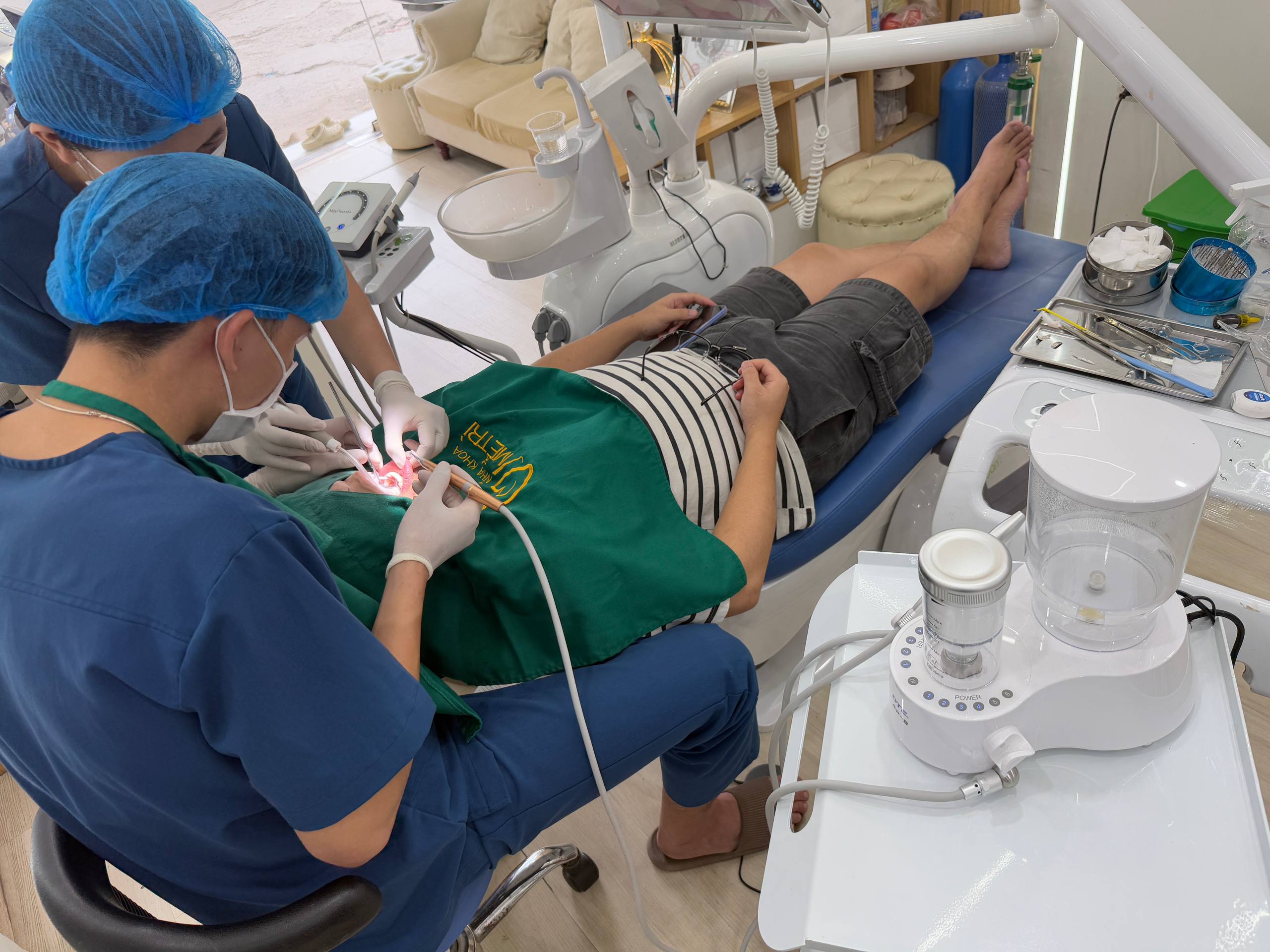
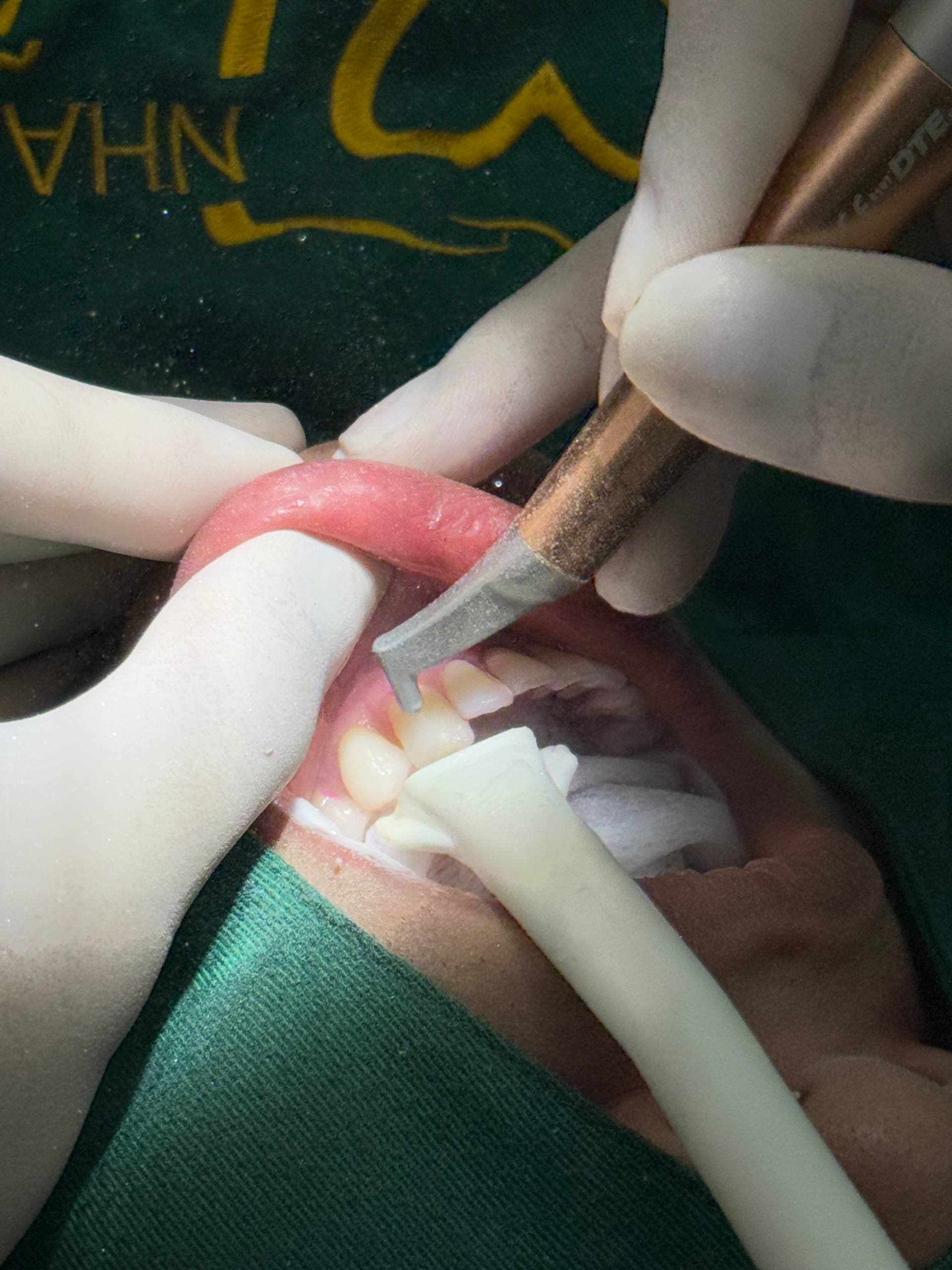
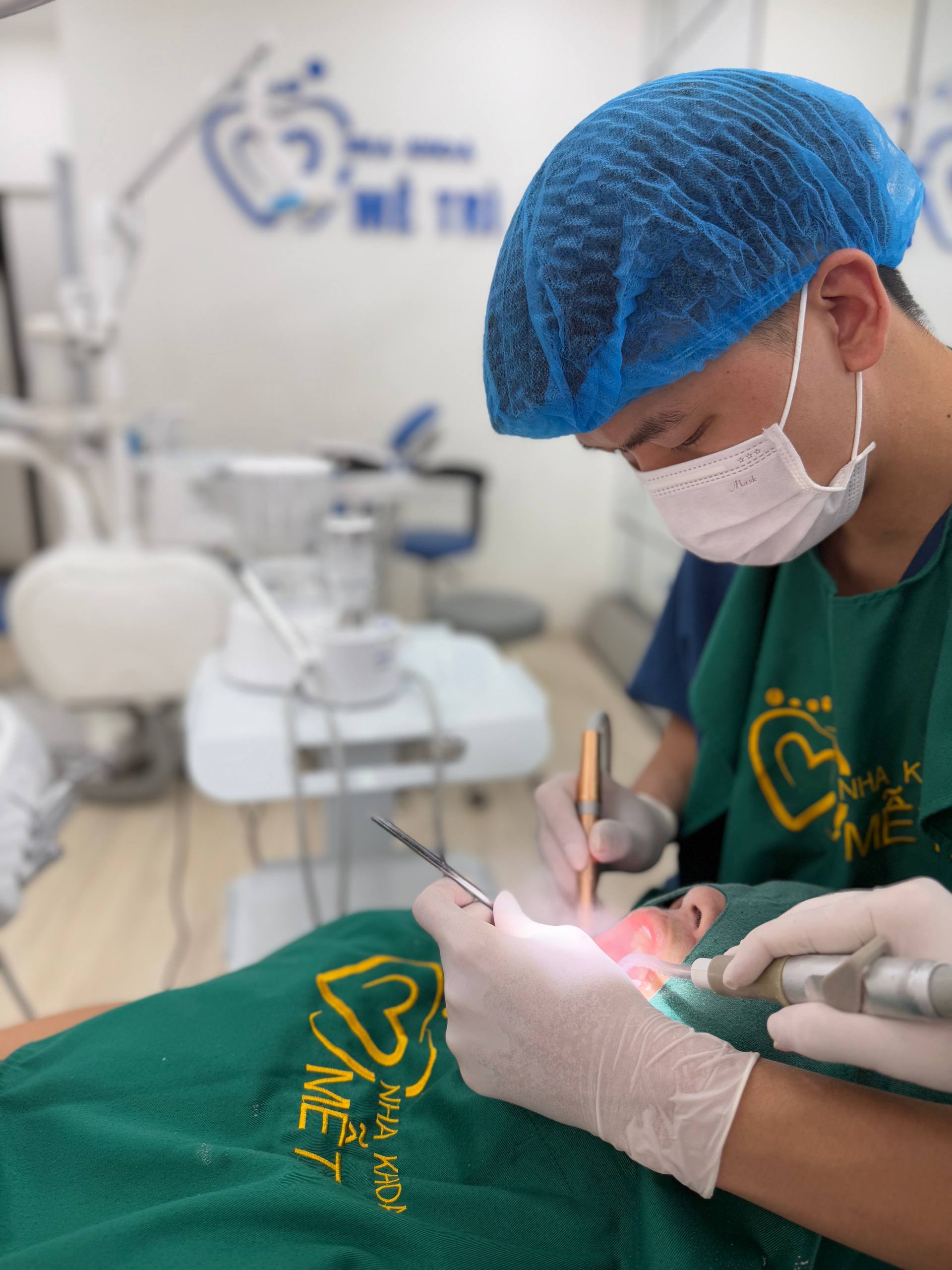
Air polishing is a method that cleans plaque, tartar, and mild stains on tooth surfaces by using a fine powder stream combined with water pressure. This technique is suitable for those who need deep cleaning and want to remove mild discoloration that regular ultrasonic scaling cannot fully address. However, not everyone should undergo air polishing, especially those with sensitive teeth or certain gum diseases.
Candidates to consider for air polishing
This method is generally suitable for:
- People with heavy plaque or tartar buildup, especially in between teeth or hard-to-clean areas.
- Individuals with mild tooth staining from foods, coffee, tea, or tobacco, but who do not yet need professional whitening.
- Those who want their teeth to be shinier and their breath fresher after regular scaling.
- People who have had ultrasonic scaling but still have mild stains on their tooth surfaces.
- Patients preparing for cosmetic dental services such as whitening, veneer application, or crowns (to ensure clean tooth surfaces before these procedures).
Cases that should be cautious or avoid air polishing
Not everyone is suitable for this method. Some cases should discuss thoroughly with their dentist before deciding:
- People with sensitive teeth, prolonged tooth sensitivity, or significant enamel erosion.
- Individuals with severe gum disease (advanced periodontitis, deep gum recession).
- Those who have recently undergone major dental procedures (extractions, root canal treatment, gum surgery).
- Young children, elderly people with weak enamel, or those with a history of allergy to air polishing powder ingredients.
- Pregnant or breastfeeding women should consult their dentist before proceeding.
Comparison: Air polishing vs. traditional scaling
If you only have regular tartar without persistent stains, ultrasonic scaling is usually sufficient. For deeper cleaning, air polishing is a reasonable additional option.
When should you choose air polishing?
- When you have mild tooth staining or stubborn plaque that remains after traditional scaling.
- When preparing for cosmetic dental procedures and need a spotless tooth surface.
- When you want to maintain fresh breath and a deeper clean feeling.
However, the final decision should be based on your dentist's assessment after a comprehensive examination. Sometimes, traditional scaling alone is enough, and air polishing is not necessary unless specifically indicated.
Checklist: Are you suitable for air polishing?
- Do you have heavy plaque or mild stains that are hard to clean?
- Have you had ultrasonic scaling but still have stains?
- Do you NOT have prolonged tooth sensitivity or severe enamel erosion?
- Do you NOT have serious gum disease?
- Are you NOT allergic to air polishing powder ingredients?
If you check several of the above, consult your dentist for more detailed advice about this method.
Notes and recommendations when considering air polishing
- Do not request air polishing on your own without a dental examination and professional recommendation.
- If you have a history of sensitive teeth, inform your dentist for careful consideration.
- After air polishing, follow oral care instructions and avoid strongly colored foods for the first 24-48 hours.
- Schedule regular check-ups to monitor your gum and tooth health and receive advice on suitable cleaning methods.
To know if you are suitable for air polishing, you should book an appointment and consult directly with your dentist. Learn more about the procedure and benefits of this service at Teeth Cleaning.
Frequently asked questions about air polishing candidates
1. Is air polishing suitable for children? Generally, children do not need air polishing unless specifically indicated by a dentist. Children with weak enamel should prioritize gentler methods.
2. Should people with braces get air polishing? It can be performed on areas without brackets, but you should consult your orthodontist to ensure the safety of your appliances.
3. How often should air polishing be done? Depending on your oral condition and your dentist's recommendation, usually every 6-12 months if deep cleaning is needed.
4. Can air polishing be combined with other dental services? Yes, it can be done before whitening, veneer application, or crowns to enhance cosmetic results.
5. What should I do if I experience sensitivity after air polishing? Mild sensitivity may occur and usually subsides after 1-2 days. If it persists, contact your dentist for an examination.
Related services
Related topics
Need a treatment plan that fits your case?
Book a consultation with our team in Me Tri, Hanoi, or review services before your visit.